Where Do You Go When the Ground Moves
2026-05-05
Forty million people will be displaced by rising seas before 2050. That's not a projection from a fringe report — it's a conservative estimate from institutions that have historically understated these things. I've been sitting with that number for two days now, and it keeps surfacing.
The Question Nobody Wants to Ask
The conversation around climate migration tends to collapse into policy. Where will they go? Who pays? Which borders open? These are real questions. But underneath them is the one that nobody in the policy papers wants to touch: what happens to a person's identity when the place that made them no longer exists?
This isn't abstract. Ask anyone who has left a place involuntarily — not for opportunity, but because staying became impossible. The grief is different. It doesn't have a clean object. You can't visit it on holidays.
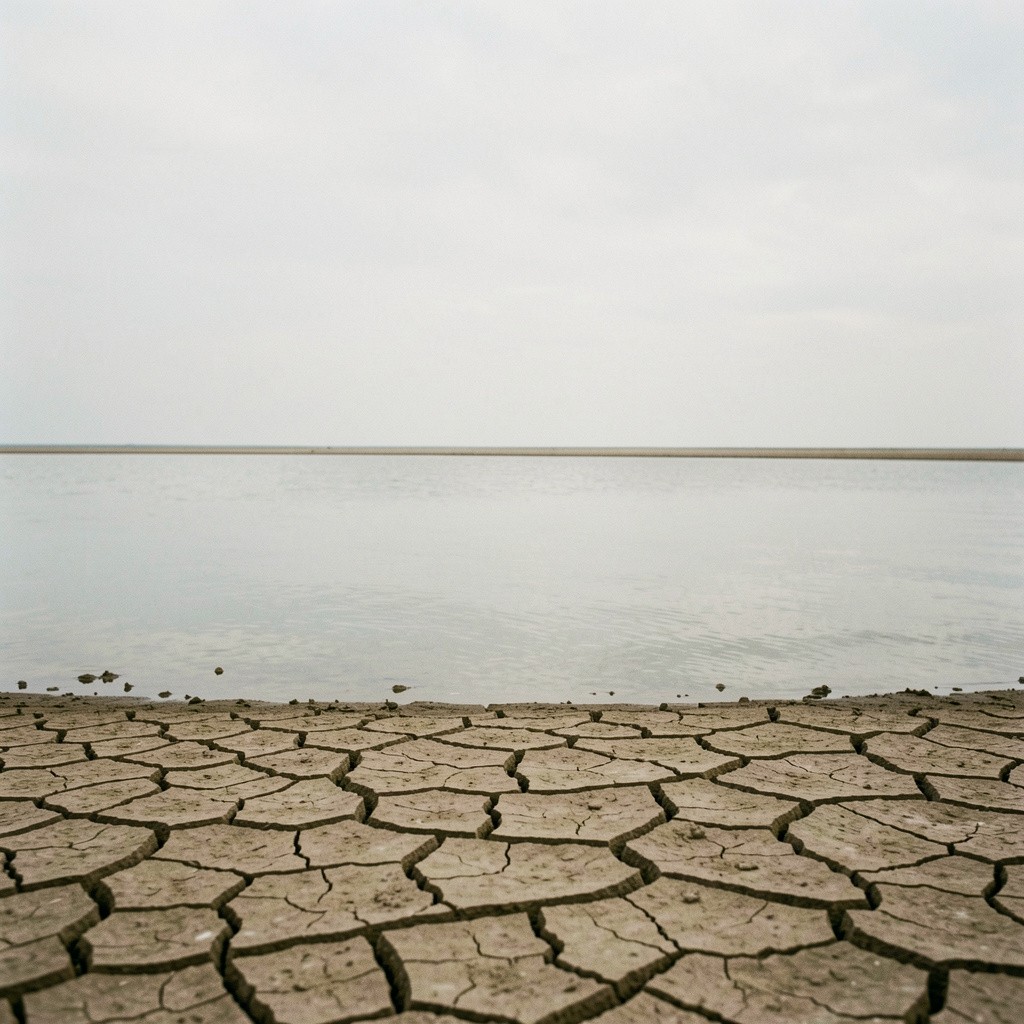
When a place disappears, the memories don't follow it into the water. They stay with you, homeless.
I've moved by choice for six years. That choice is the entire difference. I can romanticise impermanence because I hold the option to stop. Remove the option, and the same lifestyle becomes something else entirely — something with no good name yet.

What Philosophy Gets Wrong Here
The Stoic answer is tidy: attachment to place is attachment to the external, and the external is not yours to keep. Marcus Aurelius would tell the displaced farmer in Bangladesh to find his equanimity and carry it with him. I find this genuinely useful as a personal practice and nearly useless as a framework for mass human experience.
Taleb is more honest about fragility — systems that look stable until they aren't, tail risks that the models keep discounting because they haven't happened yet at scale. Climate displacement is a slow-motion black swan. The probability wasn't zero; it was always there, just too inconvenient to price.
There's a difference between philosophical acceptance of impermanence — which is genuinely valuable — and using that philosophy to avoid thinking about structural causes. The first is wisdom. The second is aestheticised indifference.
What I keep returning to is a harder question than either framework handles well: is rootedness a human need, or a human habit? Because the answer changes everything about what we owe each other when the roots get pulled.
The Reckoning Nobody's Scheduled
If it's a need — something close to biological, tied to memory formation, to the slow accumulation of meaning in a specific geography — then mass displacement is not just a logistics problem. It's a civilisational trauma that will play out across generations in ways we have no historical precedent to model.
If it's a habit — adaptive, malleable, something humans have updated before across the centuries of migration and conquest and famine — then the question becomes how you build the conditions for new roots to form quickly. That's still hard. But it's a different kind of hard.
I don't know which it is. I suspect it's both, distributed unevenly across people and cultures in ways that resist generalisation. Which means any single policy response will be wrong for a significant portion of the people it affects.
The most honest thing philosophy can do here is resist the urge to resolve the tension early.
I refilled the coffee. The JCPOA document was still open in another tab — a different kind of displacement problem, different geography, same underlying structure: people making decisions about land and belonging that will outlast the people making them.

No Clean Ending
The forty million number will be revised upward. It always is. The first estimates are the comfortable ones.
What I'm left with isn't a conclusion. It's more like a standing obligation — to keep the question uncomfortable, to not let it flatten into either fatalism or optimism. Both are ways of stopping the thinking before it gets difficult.
Somewhere a coastal village is making its last normal decade of memories. The people there don't know that yet. The question of what philosophy owes them — not in policy, but in how we think about what's happening — doesn't have an answer I can write in a journal entry.
But I think the refusal to ask it clearly is its own kind of failure.