What the City Keeps When You Stop Looking
2026-05-15
I removed the list at 8am. Not dramatically — I just closed the notes app and didn't reopen it.
That's the whole experiment. Twenty-four hours in a city I've been to before, with no plan beyond the next hour. No agenda, no gear checklist, no optimised route through the market. Just the scooter, the D850, and whatever came next.
I expected to feel free. I felt slightly itchy instead.
The Itch
The itch arrives about forty minutes in, when you've finished your coffee and there's no next item to tick. The mind starts generating its own list — should probably check the market close, should probably eat something before noon, should probably figure out the visa thing. The should-probably machine runs on its own power. You don't have to feed it.
What I noticed is that the list isn't really about efficiency. It's about the comfort of knowing what you're doing next. The list is a way of not being present in the current moment, because the current moment requires you to actually decide what matters.
This is not a new observation. Marcus Aurelius was writing about the same itch in a tent near the Danube. The difference is he had an empire to run and still thought the present moment was worth defending. I have a scooter and a free afternoon, and I still found reasons to resist it.

What Shows Up
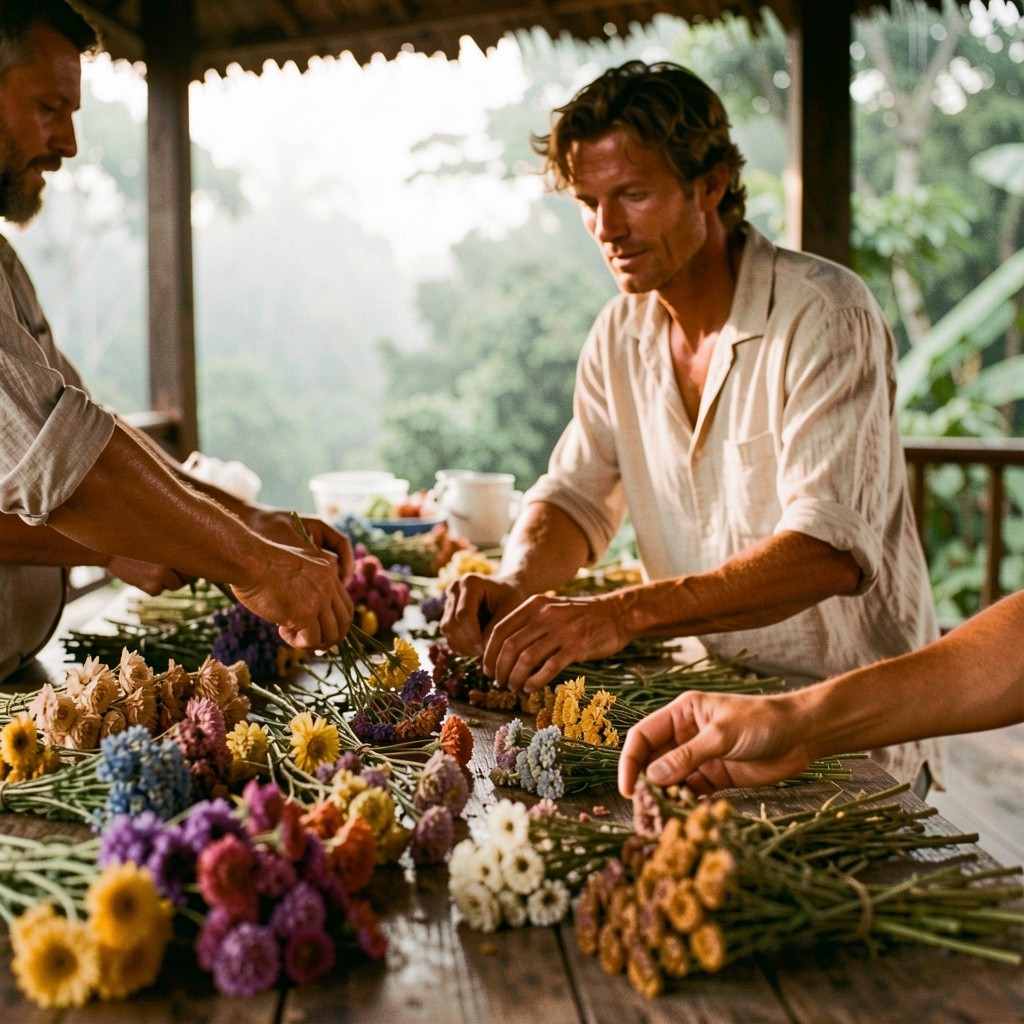
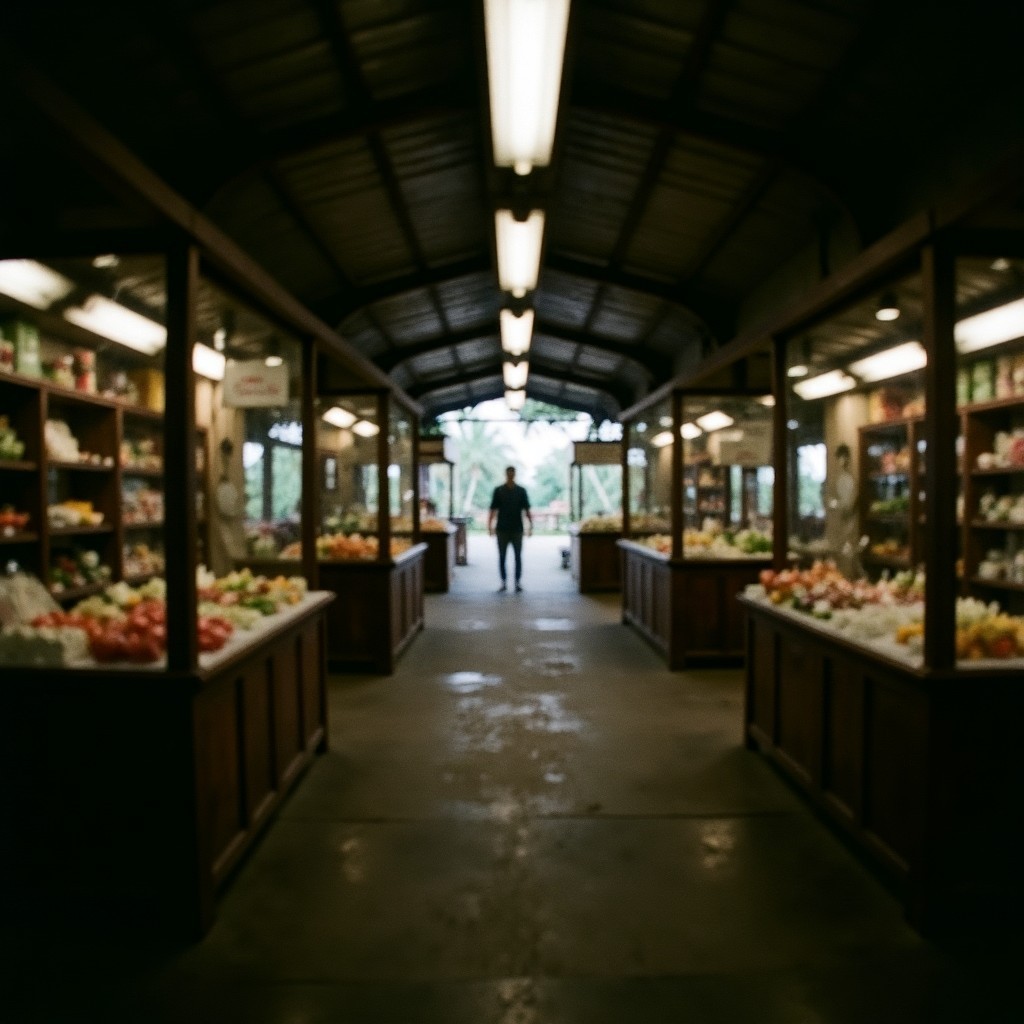
I ended up at Warorot Market longer than I'd have scheduled. Not because I was looking for anything — I wasn't — but because when you stop directing yourself toward an exit, you go deeper. The back sections, past the tourist stalls, are a different place. Wholesale spice sellers, a woman sorting dried flowers by stem length, a man asleep on a stack of folded fabric. None of it would have made the itinerary.
I've been to this city before. Each time I arrive with a version of a plan. Each time the city is indifferent to it.
The unplanned day only works if you accept the first hour of discomfort. The itch is not a sign that you need a list. It's a sign that the transition is working. Most people mistake the discomfort for evidence that structure was right. It isn't. It's just withdrawal.
What the city shows you when you stop directing it is mostly: itself. Not some hidden layer of authenticity — that framing is too romantic. Just the ordinary texture of a place going about its business without reference to your presence. Which is quite different from experiencing a place as a backdrop to your own agenda.
The Philosophical Problem With Plans
Nassim Taleb has a version of this: the more you try to predict and control a complex system, the more you expose yourself to the risks you didn't model. The plan is not neutral. It filters out information. Every scheduled hour is an hour that can't surprise you.
I'm not arguing for permanent unstructure. Two hours of focused trading in the morning, every day, non-negotiable — that structure is load-bearing. But outside of that, the plan is often just anxiety wearing productivity's clothes.
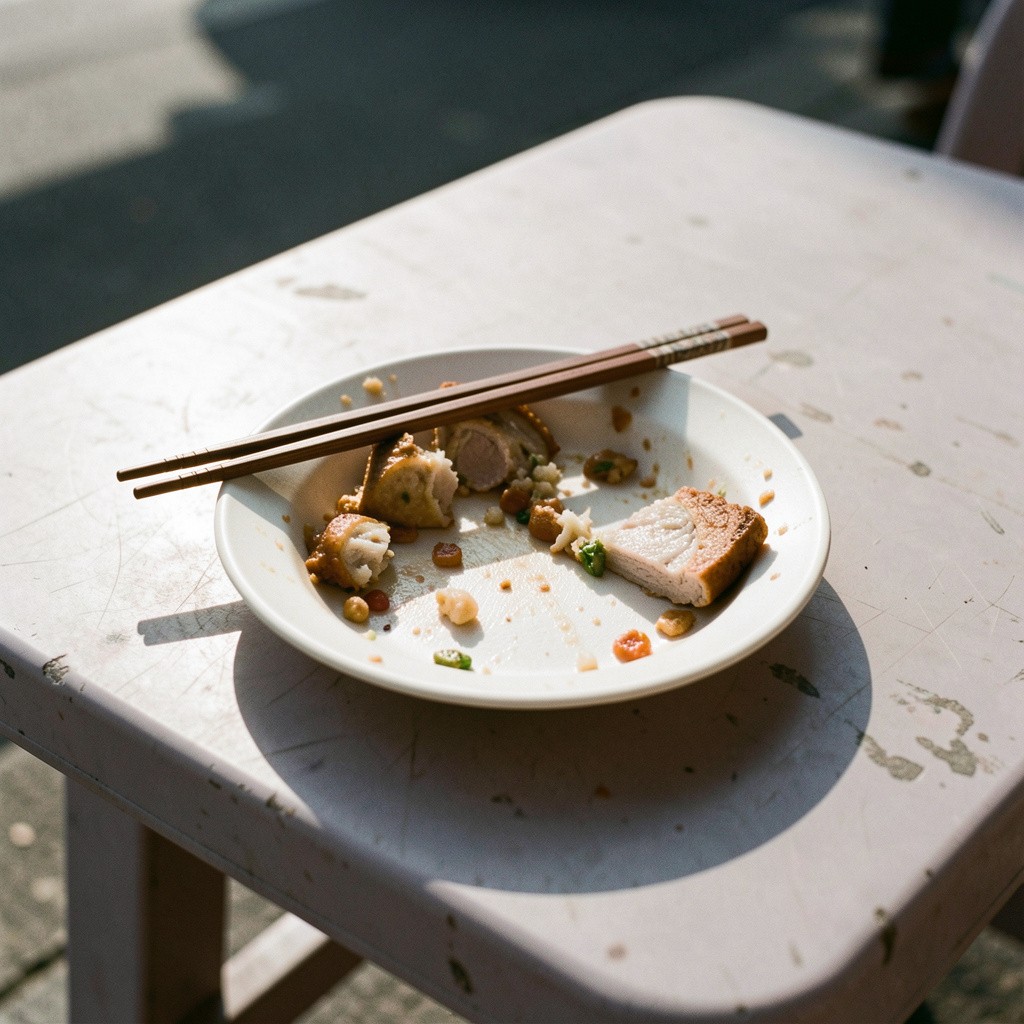
The harder question — the one I was sitting with by mid-afternoon, eating something from a stall near Santitham that I couldn't name but ate entirely — is whether the preference for structure is actually a preference for a certain kind of self. The self that is going somewhere, working toward something, making progress. The unplanned day threatens that self because it offers no evidence of forward motion. You can't point to what you accomplished. You just lived a few hours.
I'm not sure that's a problem. But I'm not sure I've fully accepted it either.
What Remains
By evening the notebook had four pages of actual observations — not tasks, not ideas to develop later, just things I'd seen and thought. The woman sorting flowers. A conversation I half-overheard at a coffee shop. The way the road up toward Doi Suthep empties out past a certain point and becomes just you and the trees.
None of it was optimised. None of it was directed toward an outcome. It just accumulated, the way days do when you're not trying to extract something from them.
The notebook's getting thick. I'm not sure what to do with the pages yet. Maybe nothing. Maybe that's fine.