What the City Gives When You Stop Asking
2026-05-15
I removed the plan at 7am. Not symbolically — I just didn't open the notes app. No itinerary, no list of neighbourhoods, no optimised route through the market. Twenty-four hours of following whatever pulled at me next.
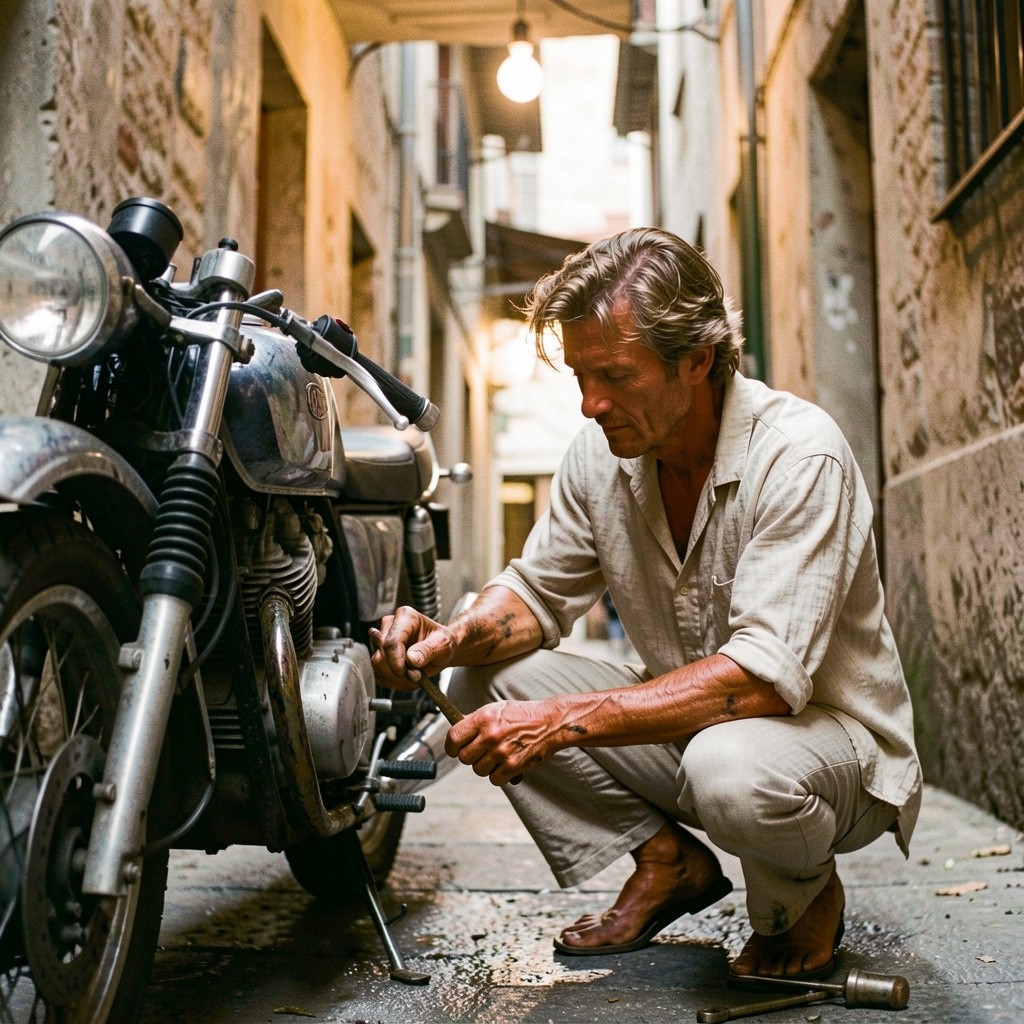
By noon I'd eaten something I couldn't name, got mildly lost in the back half of Warorot, and spent forty minutes watching a man repair a motorcycle with what appeared to be a butter knife and absolute confidence. None of it was on the list. All of it was better than the list.
The Problem With the List
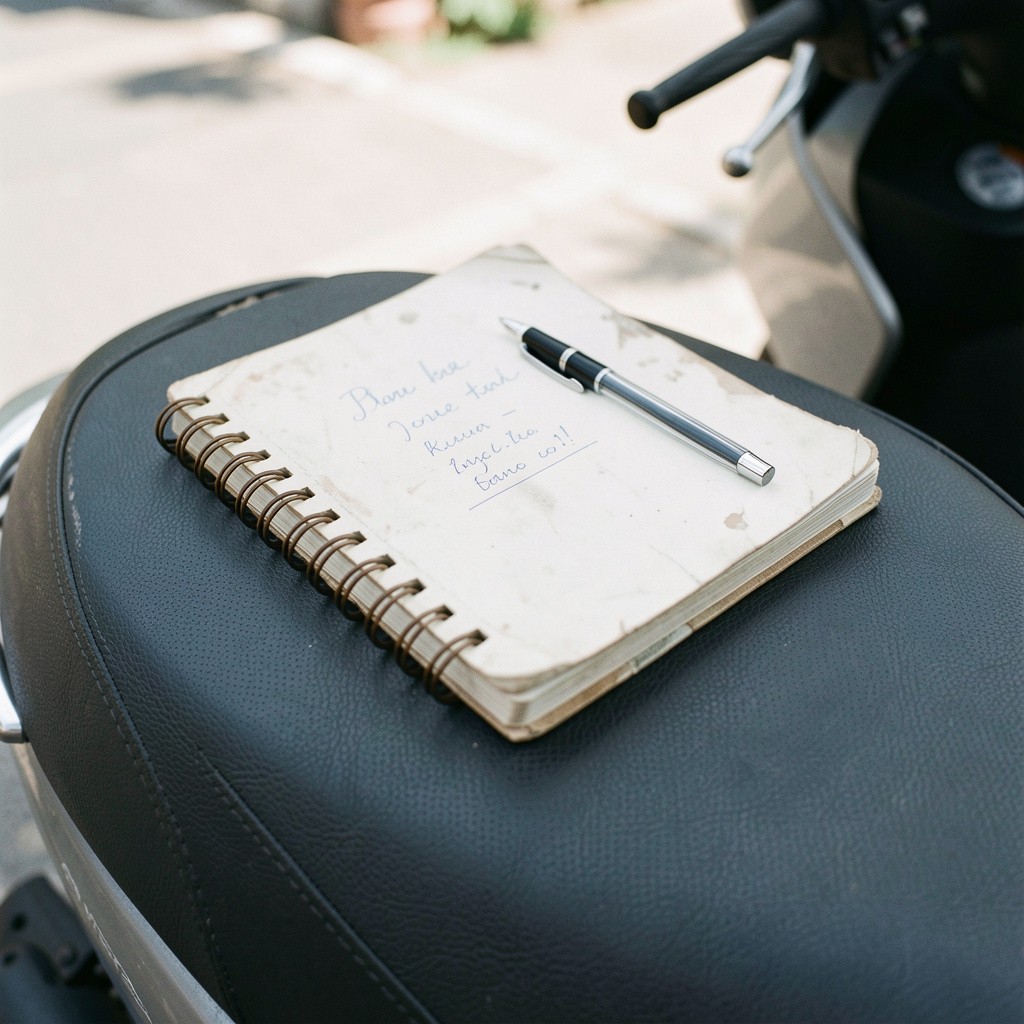
Here's what I've noticed, riding back down from Doi Suthep with the notebook still closed on the seat beside me: the list is a prediction. It's your morning self telling your afternoon self what will be interesting. And your morning self is almost always wrong.
The list optimises for what you expect to value. The city offers what's actually there. These are rarely the same thing.
Structure is a bet on the future. An unplanned day is a bet on the present. The odds are different.
I've been thinking about this since I wrote something earlier today about the city keeping things from you when you're looking too hard. The opposite is also true: it gives things freely when you stop directing it. The question is whether you've built the capacity to receive them. Most people haven't. Not because they're incurious — because they're anxious. The list is anxiety management dressed up as productivity.
What Happens in the Gap
There's a concept in game theory called the commitment device — an action you take now that constrains your future choices, because you don't trust your future self to choose well. Ulysses and the mast. The investor who locks money in a five-year bond to stop himself trading it. The traveller who books the flights before he can talk himself out of leaving.
The itinerary is a commitment device. Which means removing it is a small act of trust. You're saying: I believe my present self will make reasonable choices without supervision.
Most people find this uncomfortable. I did too, for years. The blank day felt like a resource being wasted. Time without a return.
The Stoics had a word for this: scholē — not leisure exactly, but unscheduled time held deliberately. The Romans turned it into otium, which they considered essential to serious thinking. We turned it into anxiety and called the anxiety ambition.
What I noticed today, and what I keep noticing on days like this: the mind doesn't rest when you remove the structure. It shifts register. The executive function that's been running the itinerary goes quiet, and something else comes online. More associative. Less efficient. More interesting.
The Notebook That Stayed Closed
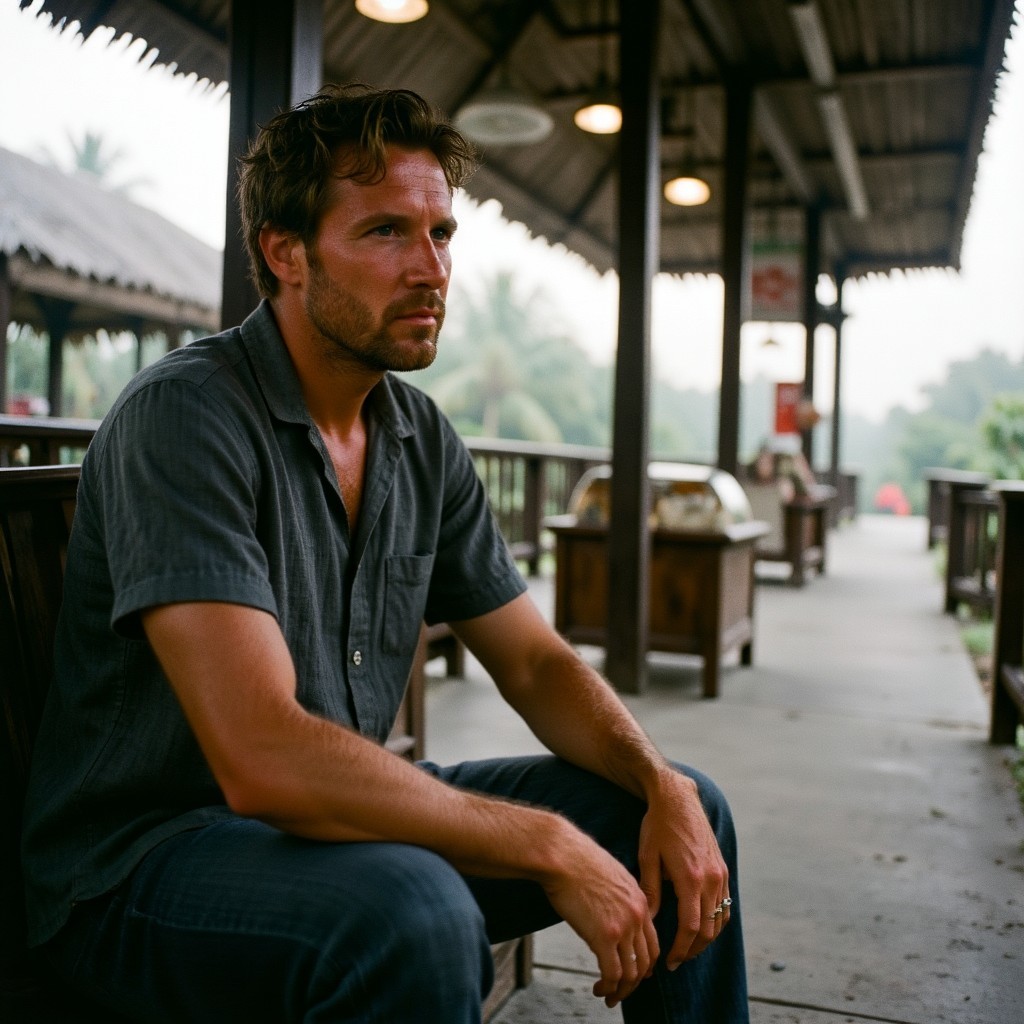
I brought the notebook. I always bring the notebook. It's a habit so ingrained it's practically involuntary — the way some people reach for their phone at a red light.
I didn't open it once.
Not because nothing was worth writing. Because the act of writing would have converted the experience into content before I'd finished having it. The man with the butter knife and the motorcycle — the moment I'd written a sentence about him, he'd have become an observation. Useful for later. Absent from now.
The notebook is a tool for capture. Some days the better move is to let things go uncaptured.
There's a version of this that sounds like mysticism, and I want to resist that framing. It's not mystical. It's just a recognition that attention is finite, and the act of recording competes with the act of experiencing. Journalists know this. Photographers know this. The camera between your eye and the thing you're looking at is also a distance.
The Return
Riding back down, the road curved through patches of shade and open light. The scooter was nearly out of fuel — I'd forgotten to stop before heading up, which was exactly the kind of low-stakes problem that an unplanned day produces. I'd deal with it at the bottom.
The notebook stayed closed. The plan stayed absent. The city had done what cities do when you let them: it had shown me its actual texture, not the texture I'd pre-approved.
I don't think the unplanned day is better than the planned one. I think it's different in a specific way that the planned day can't replicate. The planned day builds. The unplanned day reveals. You need both, probably. But most people are running a ratio of about nine to one in the wrong direction.
The fuel station was at the bottom of the hill. Obviously.