What Gets Said Before the Shooting Starts
2026-05-07
The White House sent Iran a private message before announcing a new operation near the Strait of Hormuz. Not after. Before. That detail is doing a lot of work.
The Grammar of Escalation
There's a particular kind of language that precedes wars nobody wants but everyone sleepwalks into. You can hear it now if you're paying attention. Statements calibrated to sound firm without closing doors. Red lines drawn in sand, not concrete. The private channel running parallel to the public one — which means the public channel is theatre.
When governments talk loudest, they're usually negotiating hardest. The noise is the tell.
I've been watching this dynamic for six years across various time zones. The rhetoric escalates not because anyone has decided to fight, but because de-escalation requires someone to visibly back down, and nobody wants to be that person domestically. So the language gets harder while the back channels get busier.
Denial as Policy
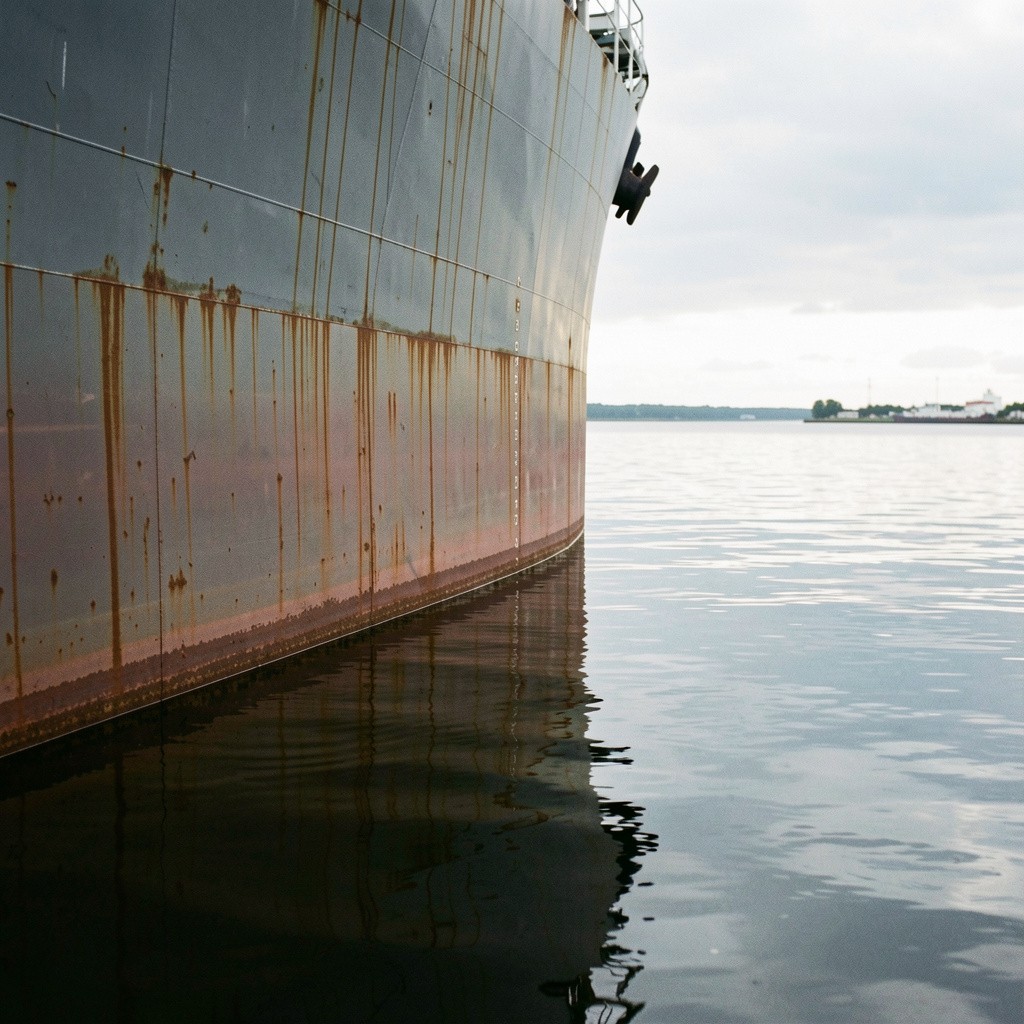
What interests me more than the military posturing is the economic denial running alongside it. Markets are pricing almost none of this. The fear index has crept back toward neutral after weeks of anxiety — which is rational if you believe the private channels hold, and dangerously complacent if you don't.
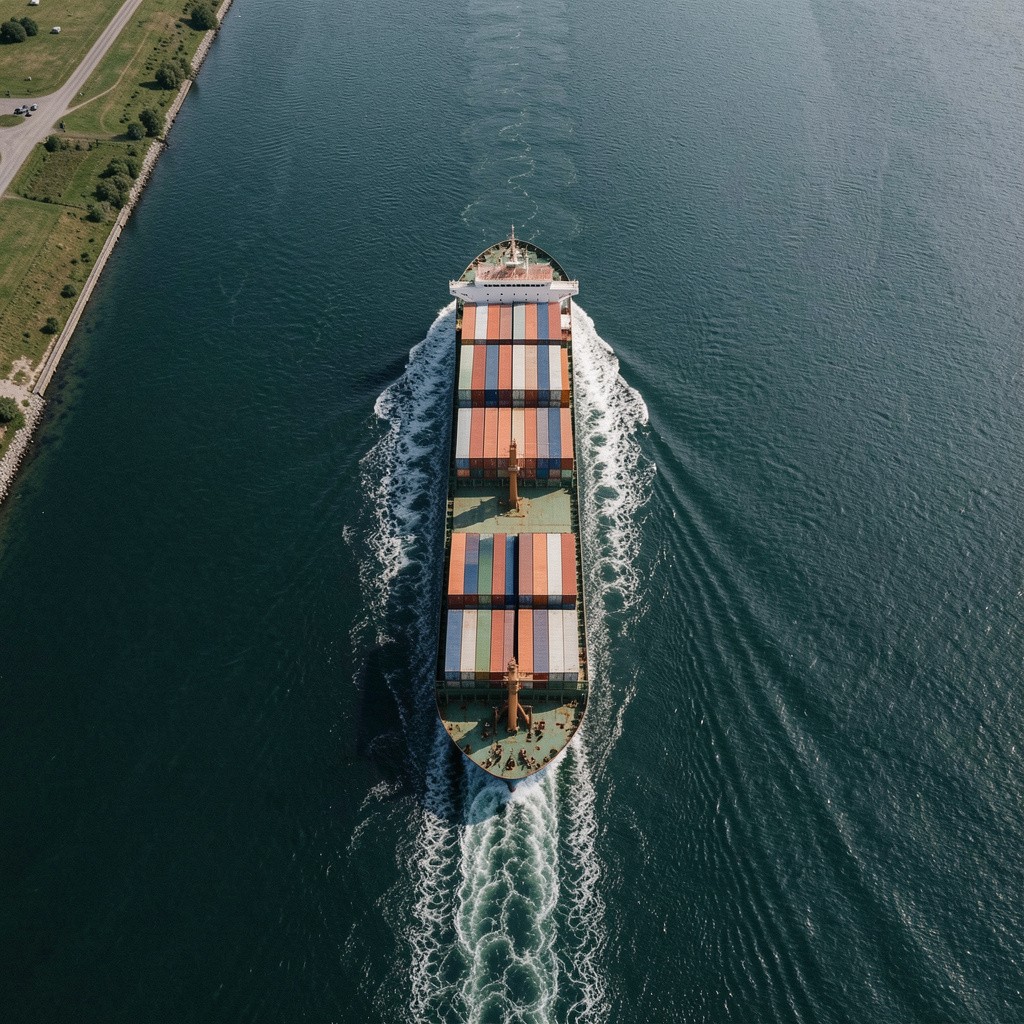
About a fifth of global oil passes through the Strait of Hormuz. Any serious disruption there isn't a commodity story, it's a logistics story for every manufactured good that moves by ship. The second-order effects run through freight rates, insurance premiums, delivery timelines — the quiet plumbing of global trade that only gets noticed when it stops working.
The tell isn't oil price — it's tanker insurance rates. When underwriters start repricing Gulf coverage, that's the signal the risk is being taken seriously at the level where people put money behind opinions. Right now, they're not. That either means the smart money knows something, or it means the smart money is also in denial.
The market's current read seems to be: private channel holds, rhetoric is domestic performance, no one actually wants a shooting war over a shipping lane. That's probably right. It's also exactly the consensus that gets punished most when it's wrong.

The Asymmetry Nobody Prices
Here's what I keep coming back to. The downside scenario — actual disruption to Gulf shipping, oil spike, supply chain shock — is low probability but enormous magnitude. The upside scenario — tensions gradually de-escalate, everyone saves face, private channels do their job — is higher probability but the gain is just nothing bad happened.
Markets are good at pricing expected value. They are terrible at pricing tail risk until it's no longer a tail.
This is the Taleb problem applied to geopolitics. The distribution isn't normal. The rare event, when it arrives, doesn't look like a gentle deviation from the mean — it looks like a discontinuity. And the period just before a discontinuity often looks remarkably calm, because everyone with a position has convinced themselves the worst case is someone else's problem.
I'm not predicting escalation. I'm noting that the conditions for being surprised by it are currently in place: mixed signals, private channels that could fail, domestic political incentives on multiple sides that reward hardness over compromise, and markets that have largely stopped asking the question.
The Coffee Goes Cold
I closed the tab and sat with the cold coffee for a while. Not because I had a conclusion — I didn't — but because the absence of a conclusion felt like the honest position.
The people running these private channels are professionals. They've done this before. The probability-weighted outcome is probably fine. But I've read enough history to know that probably fine and definitely fine are separated by exactly one miscalculation, one domestic political crisis, one commander who didn't get the memo.
The page is still mostly blank. Some things don't resolve into an essay. They just sit there, asking to be watched.