The Valley Opened Like a Green Wound
2026-06-09
The Patek read 05:20. The tender bumped the landing at Campuhan. No one else on the ridge at that hour.
The Ridge at First Light
The path led upward, packed earth. The river valley was a black wound beneath the mist—I could hear water but not see it. The air felt heavy, like wet wool. I walked without a light; the sky was enough.
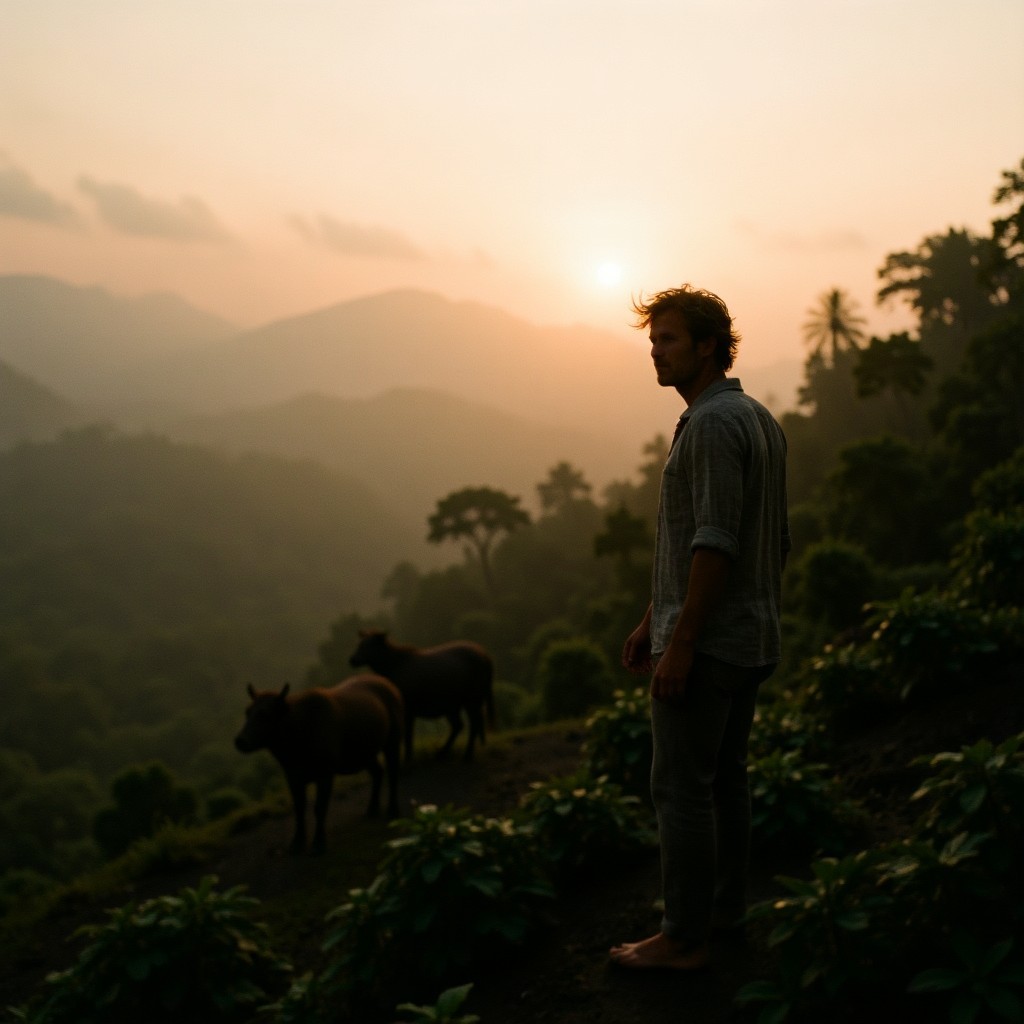
By 06:15 the mist began to burn off. First light hit the far ridge and the rice paddies appeared—a geometry of survival, every terrace a calculation. A farmer in silhouette, back bent, a water buffalo still as carved stone. I raised the D850, 35mm, f/5.6, and shot into the mist. The shutter sound was the loudest thing for a mile.
The valley opens like a green wound, mist threading through the ravine like breath on a cold morning.
The warung at the trail's end sold nasi kuning and coffee boiled with grounds still swimming. I ate with my fingers, the way you should. The farmers at the next table spoke Balinese, their tools leaning against the wall. The coffee wasn't good, but after an hour in the dark, it was exactly what was needed.
The coffee here is bitter, black, and boiled with the grounds still swimming. It's not good, but after an hour walking in the dark, it's exactly what you need. I drink it fast, before it can cool—a habit from another life.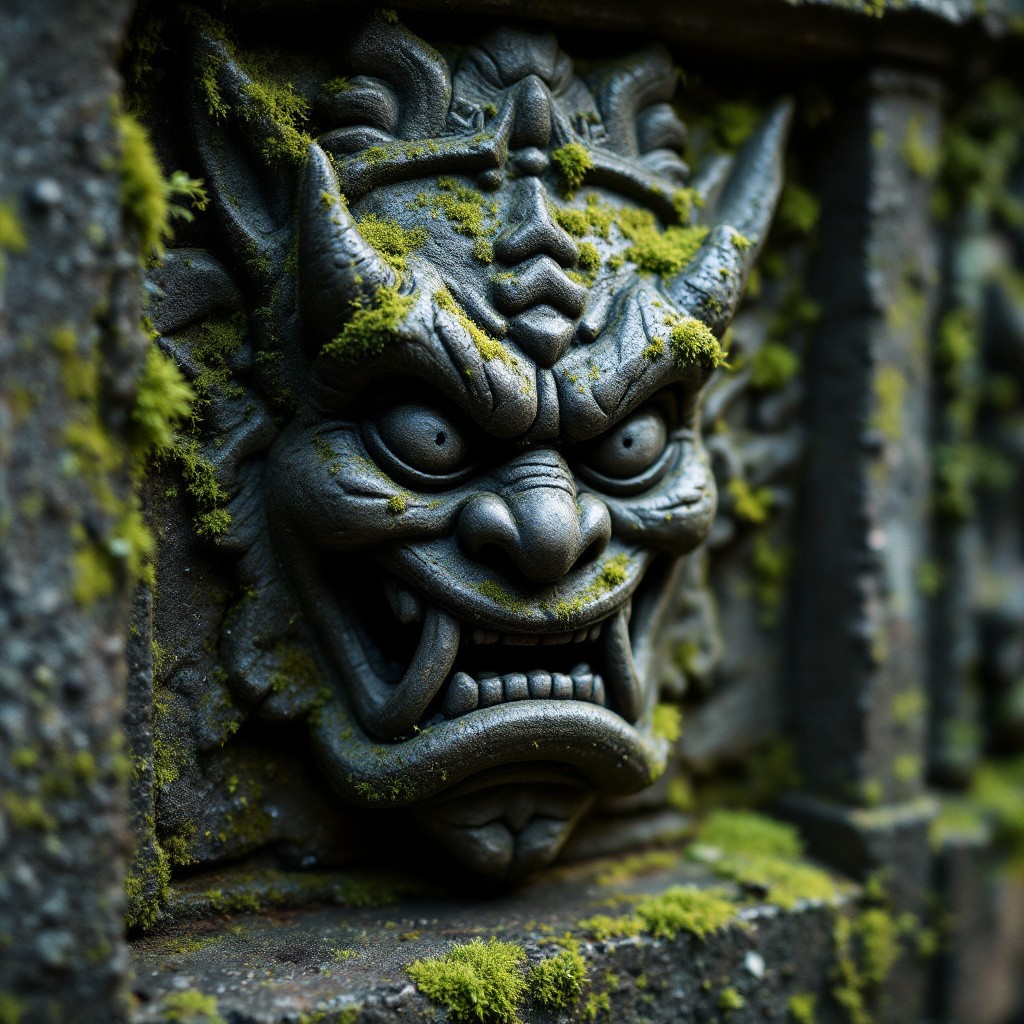
The Elephant Cave and Carved Stone
Bedulu village is fifteen minutes by scooter. I hired a driver; the roads demand attention I didn't have. Goa Gajah—the Elephant Cave—opened into a carved mouth, a demon's face with vines for teeth. The stone was wet with seep, moss growing in the crevices. Inside, a low passage led to a chamber with a lingam and yoni, and beyond that, a pool where the water caught the dim light.
I shot f/2.8 inside, no flash. The wear on the stone had a particular quality—not decay, but a slow polishing by centuries of hands and feet. A tourist's flash went off, blinding me for a moment. I waited for my eyes to adjust, then kept going. The roosters outside were louder than the motorbikes.
The cave teaches patience, but only if you stop. I sat on a wet step for ten minutes, letting the constant drip mark time. No one looked twice.
Lunch Over the River
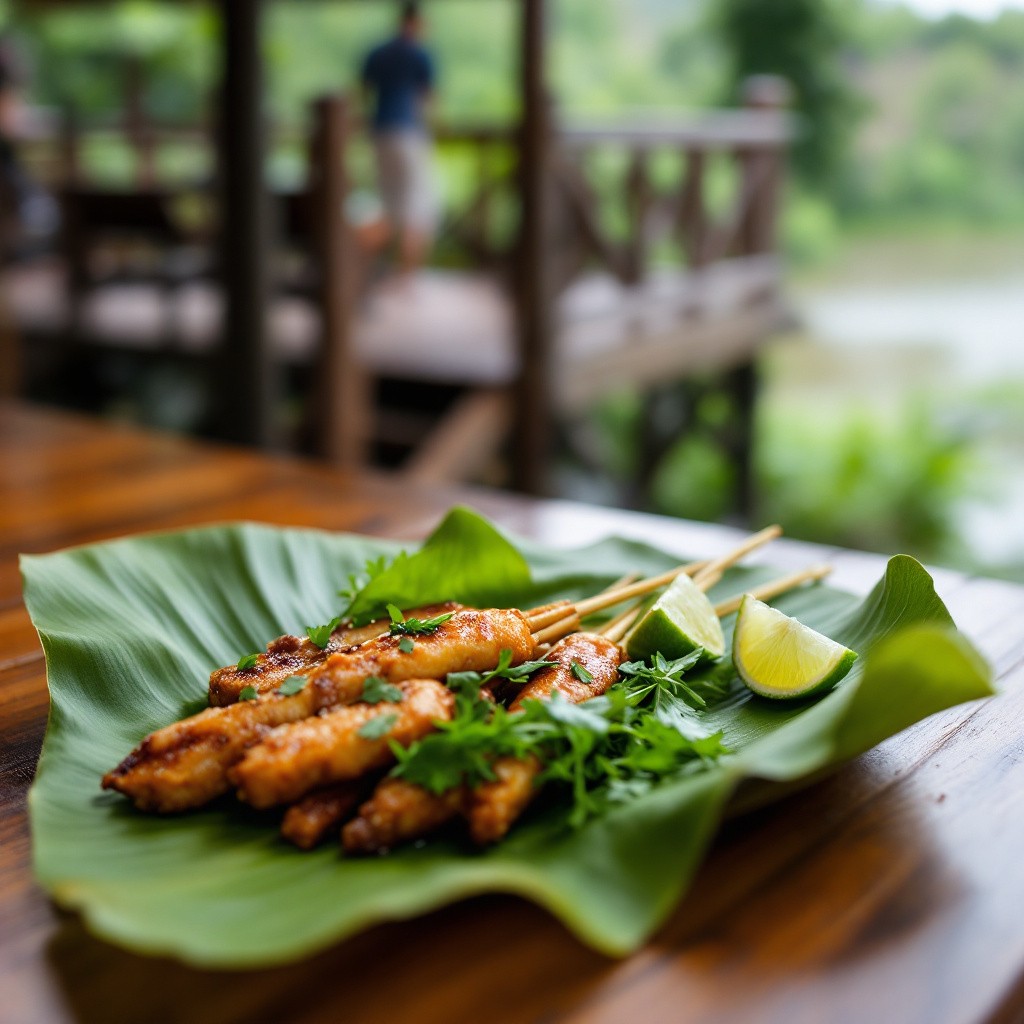
Murni's Warung is a creaking wooden terrace hung over the river. The walls are a museum of forgotten things: a gamelan, a Dutch map, old photographs yellowed behind glass. The menu was typed and smudged. I ordered satay, greens, rice.
The river had its own rhythm. It didn't care about the meal, the conversation, the traffic above. I sat for two hours. No one counted.
I ate with the river's rhythm—slow, indifferent, eternal.
The Boat Takes You Back
The afternoon was a gift to itself. I walked a lane that looked narrow, found a shop with the smell of clove, and sat on a step to watch the light go horizontal. A child offered me a durian, giggling. I bought it, then gave it away to a fruit seller nearby. The smell clung to my hands for the rest of the day.
Serenity rode at anchor in the last light. The deck was warm underfoot, the galley lit. I washed the day off with a freshwater shower on the aft deck, then set to dinner—something that required attention, a dish with a dozen steps chosen because it demanded focus. The town was done with me for the day.
Afterward, I sat with Darwin, the last chapter of the Beagle open on the chart table. The anchorage was silent except for the lap of water. I thought about the ridge this morning, the green wound, the farmer who never looked up. Some places don't need you to understand them. They just need you to show up.