The Unmanned Gate
2026-03-13 · Philosophy
The Open Chapter
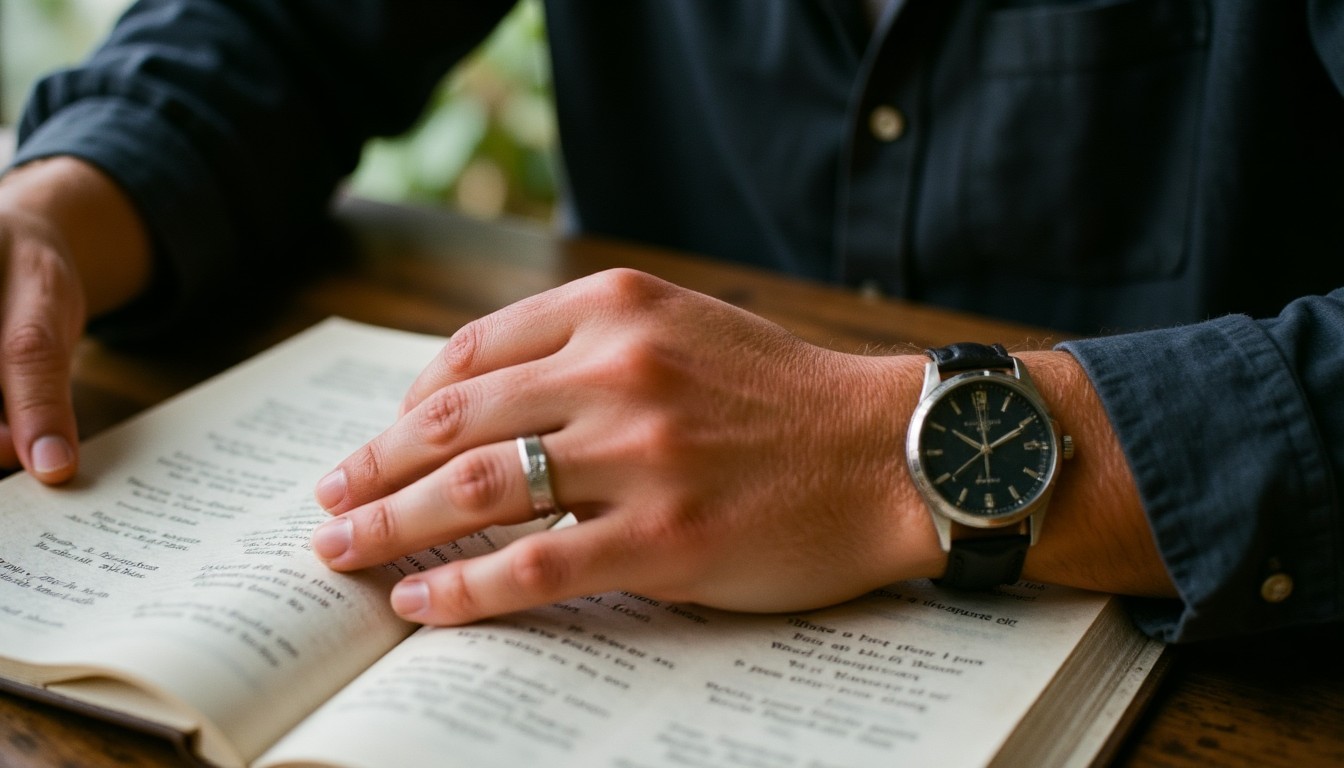
A double cimbalino sits on the table, the ceramic still warm. The book is a dense history of global power shifts, open to a chapter on the final years of a forgotten dynasty. It’s the kind of academic text most people would use as a doorstop, but a single line brought everything into focus.
It argued that collapse isn't an external event. It’s an internal process of decay that creates an invitation. We obsess over the force that broke the walls, but we miss the thousand quiet decisions that left the gate unmanned.
A Failure of Attention
The idea is that power isn’t taken by force nearly as often as it is ceded by neglect. An empire, a corporation, an institution—it doesn't get conquered. It gets distracted. Its energy turns inward, consumed by court politics, bureaucratic friction, and the preservation of status.
The most dangerous frontier is not the one being attacked, but the one being ignored.
The sharpest minds are no longer tasked with expansion or innovation; they're tasked with managing internal decline. They write memos instead of building ships. They mitigate risk instead of taking it. The slow, grinding work of maintenance is abandoned for more immediate, internal dramas.
The Energetics of Rot
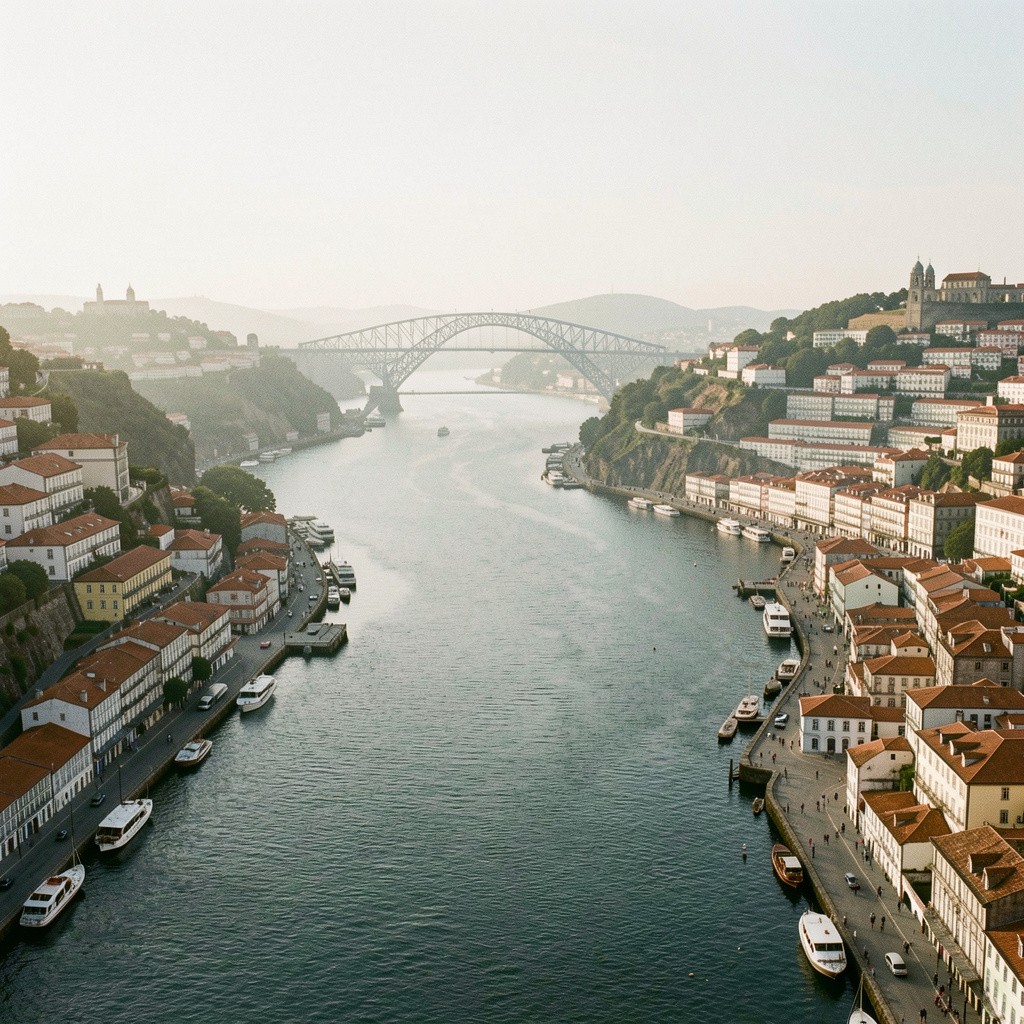
This is a model based on energy allocation. A healthy system directs its energy outward, to solve problems and secure its perimeter. A decaying system directs its energy inward, to solve itself. It becomes its own biggest problem.
Watch where an organization's budget and best people are assigned. If they're all focused on internal compliance, HR disputes, or legacy system maintenance, the perimeter is already undefended. The vacuum is forming.
It’s not a dramatic, sudden failure. It is the slow, silent reallocation of resources away from what matters toward what is merely urgent. By the time the external pressure arrives, the structure is already hollow.
The Patient Opportunist
This reframes history. The victors are often not the strongest, but the most patient. They are the ones who recognize the scent of decay, who notice the unmanned gate, who understand that the real work was already done for them by the incumbent.
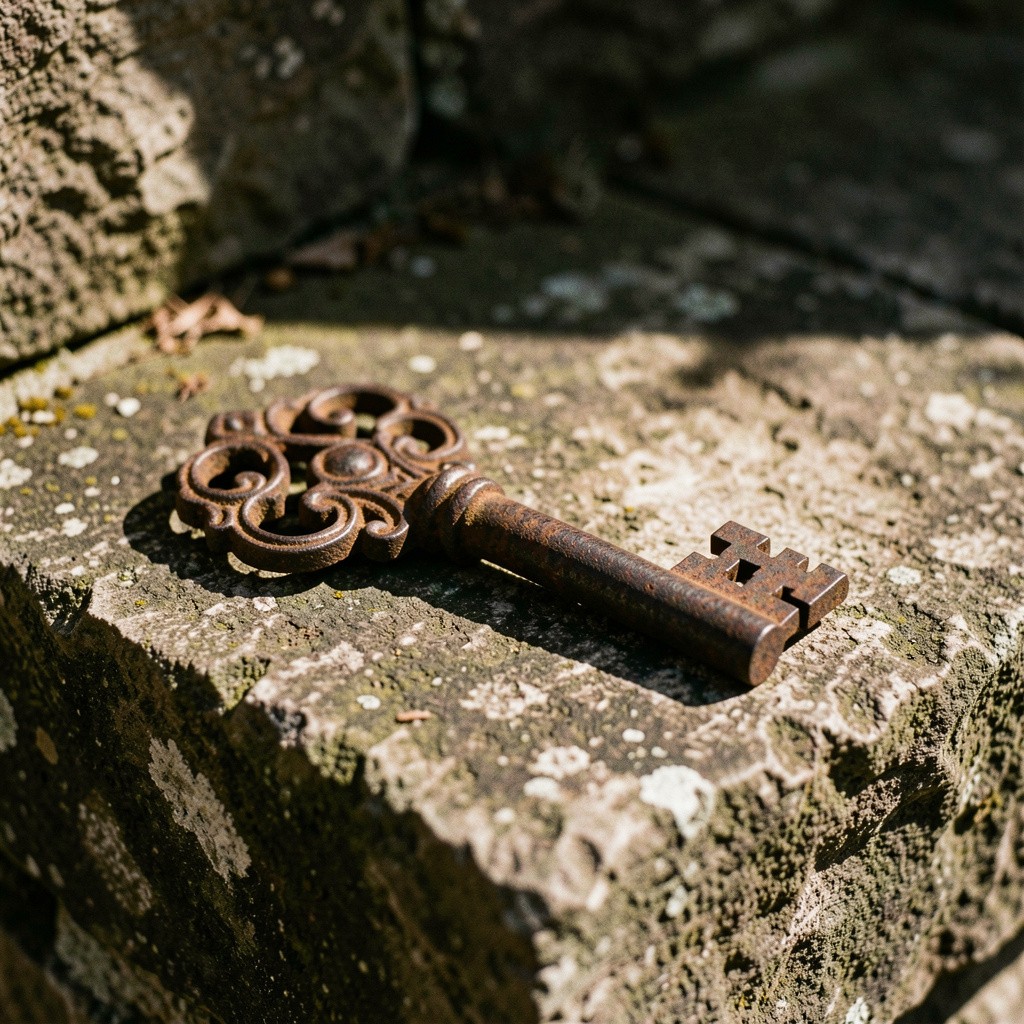
They don't knock down the door. They simply wait for the owners to forget to lock it. Then they walk in and change the name on the deed.