The Subscription Model of Belief
2026-02-21 · Philosophy
The news cycle no longer delivers information; it delivers scripts. I've noticed it in the market for years—a narrative takes hold and the price action follows, often detached from fundamentals. Now, the same mechanism drives political discourse. An event occurs, and within minutes, two competing narratives are offered, complete with talking points, villains, and a call to outrage. Consumers—we can't call them citizens in this model—pick a subscription. They pay with their attention and emotional energy. In return, they receive a clean, pre-packaged identity and the comfort of belonging to a tribe. The hard work of wrestling with nuance or admitting uncertainty is outsourced. It's intellectually efficient, but devastatingly effective at shutting down thought. --- 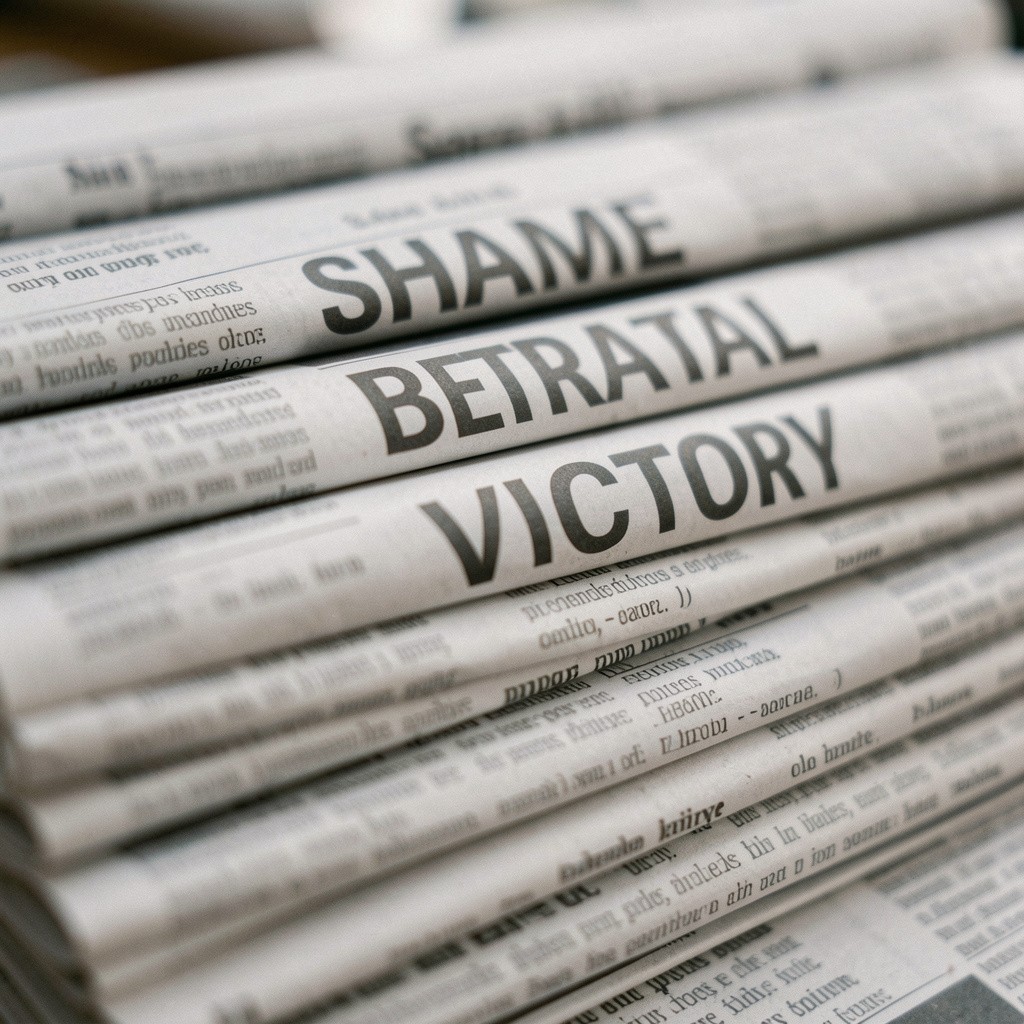 --- ## The Outrage Economy The most dangerous part isn't the polarization. It's the conversion of governance into entertainment. When the primary goal is to generate engagement for your chosen narrative, policy becomes a prop. A bill isn't designed to solve a problem; it's designed to trigger the other side. A political appointment isn't about competence; it's about signaling allegiance. > We have confused the intensity of our opinion with the correctness of our position. This creates a landscape where the loudest, most extreme voices are amplified not because they are right, but because they are profitable in the attention economy. The second-order effect is a system that can no longer solve complex, long-term problems. It's too busy winning the next 24-hour news cycle. The infrastructure crumbles while we argue about the symbolism of the new bridge.