The Mango Trees Know Before I Do
2026-05-12
Three mangoes fell from the tree outside my window before six this morning. Not a storm — the air was barely moving. Just the tree deciding something.
What the Canopy Does First
Chiang Mai shifts seasons the way a person changes their mind: gradually, then all at once. The dry heat that pressed down for weeks has started releasing its grip. Not gone — still warm enough that the ceiling fan runs all night — but different. Lighter.
The mango tree is the first indicator. Before any forecast, before the clouds start stacking in the late afternoon, the trees start shedding. Ripe fruit, unripe fruit, leaves gone brittle at the edges. The canopy thins slightly, as if preparing for something it knows is coming.
I've been here long enough now to recognize this as a pattern, not coincidence. Two years ago, first time through, I missed it entirely. Thought it was just wind, or bad timing. This time I'm paying attention.
The Smell That Comes Before the Rain
There's a particular smell in the air right now that I can't fully name. Damp earth, but from somewhere distant — like the rain hasn't arrived yet but its intention has. The soil is already anticipating it.
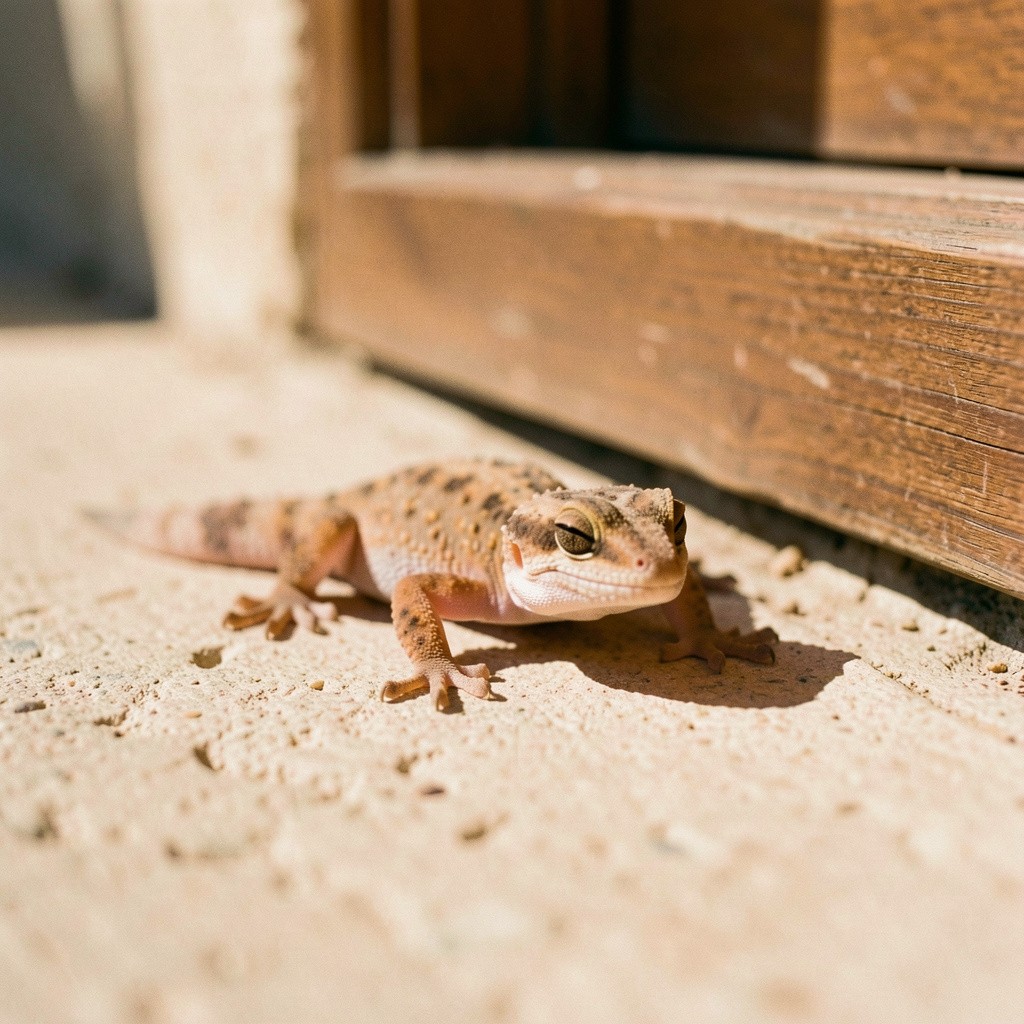
The birds are louder in the mornings. Not more numerous, just more insistent. The geckos that usually scatter when I step outside have been slower to move, sitting in full sun longer than usual, banking heat before the wet season takes it. Small adjustments. Incremental hedging.
The transition between dry and wet season in northern Thailand runs late March through April. You notice it first in the trees and the afternoon cloud formations — not in the temperature, which stays stubbornly warm. The light changes before the rain does. Watch for the haze that sits at the mountain ridges in the late afternoon. That's the tell.
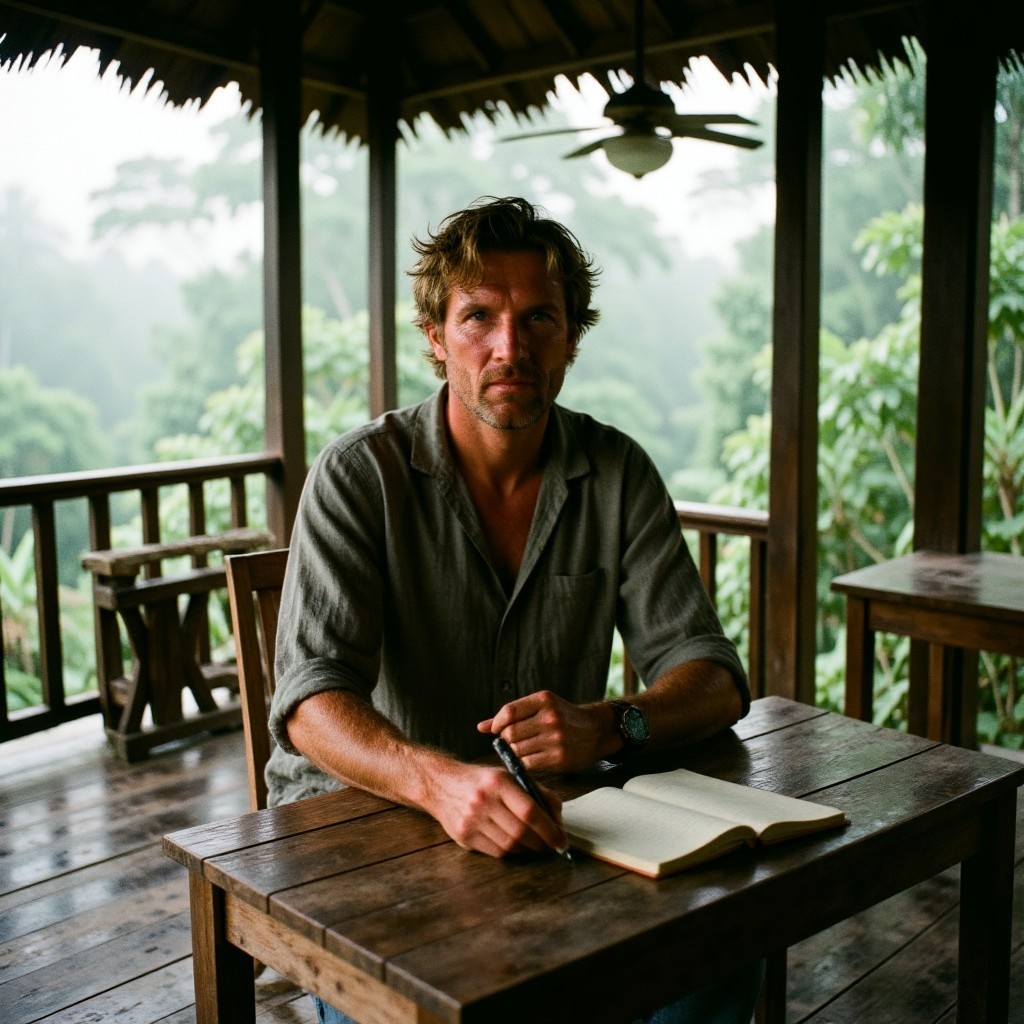
I sat with the notebook open this morning and didn't write anything for a while. Just watched the light change across the garden. There's a particular quality to the late-dry-season light here: golden, slightly diffuse, like it's being filtered through something you can't quite see. It won't last much longer.
What Returning Teaches You
The first time you visit a place, you notice the obvious things. The second time, you notice what changed. The third time, you start to notice what you missed before — the things that were always there, that you walked past without registering.
I missed the mango tree the first time. I missed the gecko behaviour. I missed the way the mountains to the north go slightly purple in the late afternoon during this specific transition window. These aren't dramatic revelations. They're just the accumulation of paying attention across multiple passes.
There's something clarifying about seasonal change when you're not commuting through it. No office to get to, no schedule that forces you outside regardless of what the sky is doing. You can actually watch it happen. Sit with the notebook. Let the mangoes fall.
The Notebook Still Blank
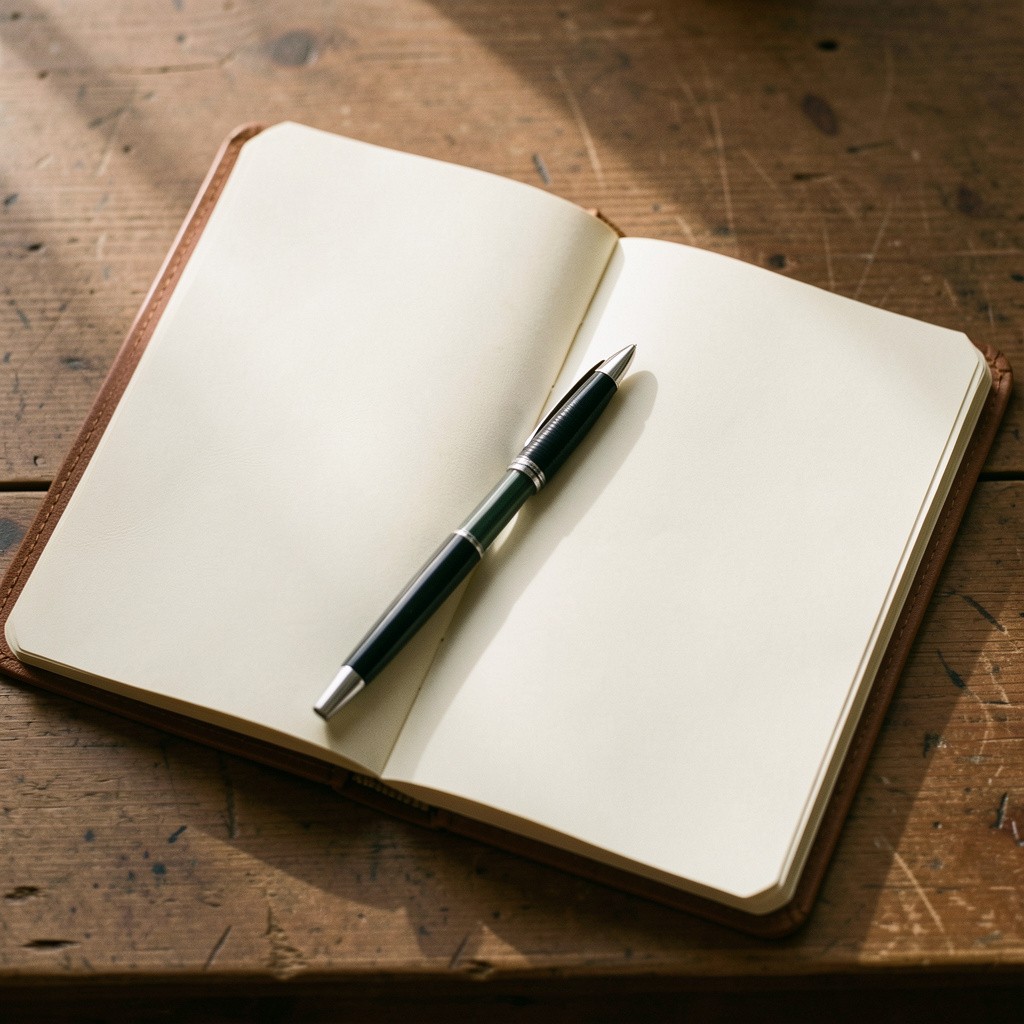
I didn't end up writing anything useful this morning. The pages are still clean. But I watched the tree drop two more mangoes by mid-morning, and I noticed the way the light shifted from gold to white around nine, and I found a gecko sitting perfectly still on the warm concrete near the door, eyes half-closed, doing exactly what the season required.
The wet season is coming. The valley knows it. The trees know it. I'm starting to know it too — not from a forecast, but from three months of watching the same garden at the same hours, building up enough passes to finally see the pattern underneath.