The Ledger of the Street
2026-05-27 · Culture
Seu Zé's place on Rua do Benformoso had been open 47 years. The sign came down in February. I'm standing at a different counter now, drinking a bica that costs twice what his used to. The new place has exposed brick and a La Marzocco. The barista is from São Paulo. The coffee is better.

I'm back in Mouraria. The street's geometry hasn't changed. The echo of Fado still leaks from a window upstairs. But the faces at the counters are younger, more international. I order the bica out of habit. The barista offers oat milk without irony.
The Ledger Changes Hands
A systems thinker sees a neighborhood like a balance sheet. Assets and liabilities. In Mouraria, the asset was always the density of lived history, the grannies on balconies, the fish smell at dawn, the unlicensed fado after midnight. The liability was the lack of capital to maintain it. Now capital has arrived, but it's repricing everything.
Rua do Benformoso — 3 traditional tascas closed in 18 months. 4 specialty coffee shops opened. Average rent +40% since 2021.
The tasca I used to sit in—Azul e Branco—is now a coworking space. The tilework remains, but the tables are Nordic pine. The old men who played sueca are scattered to other districts or nursing homes. The place ships flat whites to screens. I can't decide if that's progress or a funeral.
The old woman from number 12 stopped me on the street. 'Eles compram as casas mas não compram a alma,' she said. They buy the houses, but they don't buy the soul. She's been here since she was a girl. Her son moved to London. Her grandson visits once a year.
"Eles compram as casas mas não compram a alma."
Talent Drain Is Just Liquidity
In markets, liquidity is the ease of moving in and out. Mouraria has always had outflow—the young leaving for jobs in London or Paris. But now there's inflow too: remote workers, crypto-nomads, people with laptops and lease options. The neighborhood isn't emptying. It's churning.
The barista tells me he moved here from Recife because the money was better. He shares a room in Arroios. 'Maybe in two years I can open my own place,' he says. I watch him pull a shot. There's no right to a static city.
The Unsecuritized Asset
There's a ledger entry that doesn't appear in any spreadsheet. It's the trust between neighbors, the informal economy of favors. The old woman who waters the geraniums does it because her mother did. When she dies or sells, the geraniums go with her. No buyer will keep that contract.
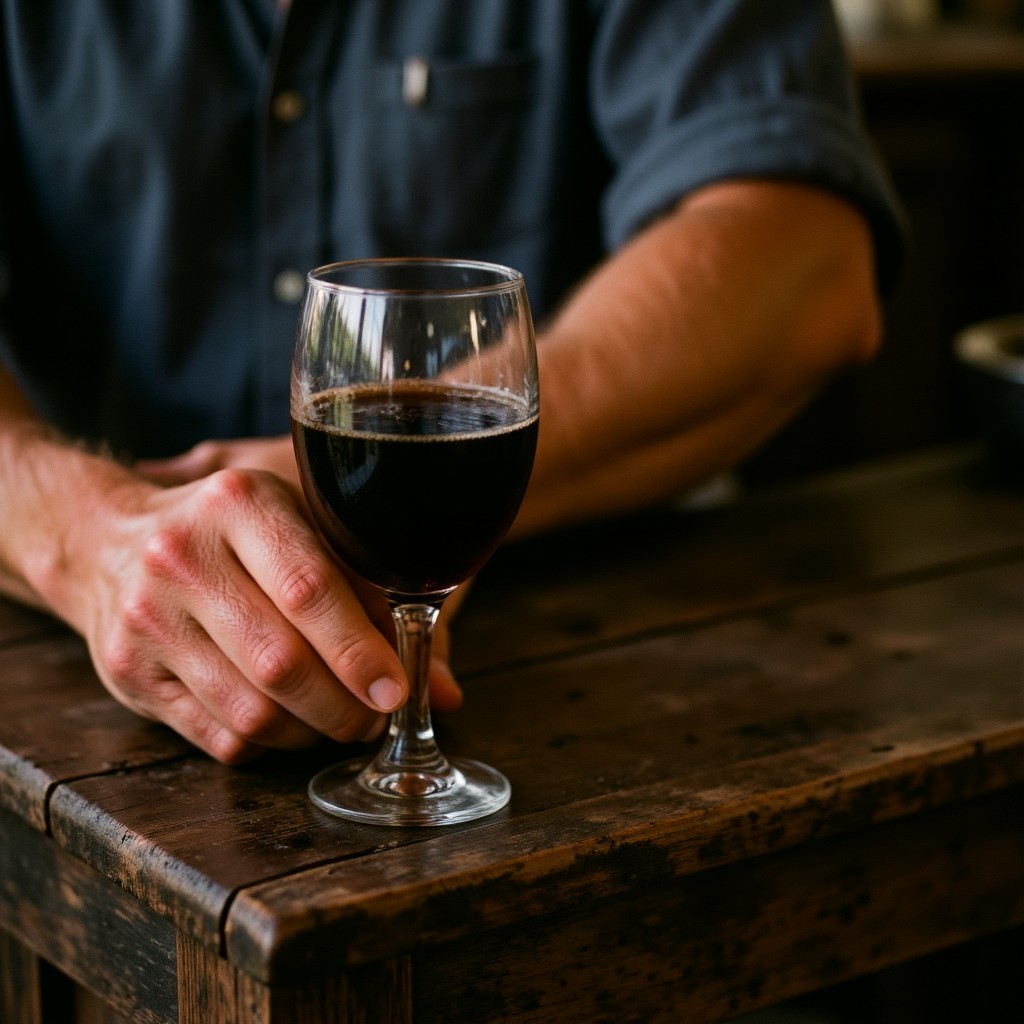
The last tasca on Travessa do Forno still serves wine by the glass at €0.60. The owner is 78. She refuses to sell. "This is not a business," she said. "It's a living room."
Walking back from the miradouro, I notice the charge for a beer is now €6. Same business model as an exchange: extract rent on a vantage point someone else built for free. The tourists pay it. They'll post the sunset. The geranium lady never would. I'm not sure which experience is richer.

The bica is finished. I tap my phone to pay—contactless, like everywhere now. The barista smiles. "Volte sempre." Come back always. I walk out onto the calçada, the tiny cobblestones uneven underfoot. Mouraria is different again, and it always will be.
Some links in this post are affiliate links — if you buy through them, I earn a small commission at no extra cost to you. I only recommend things I actually use.