The Kilogram Audit
2026-03-30 · Philosophy
My life weighs 14.7 kilograms. That’s the full weight of the Peak Design Travel Backpack (the harness system is surprisingly thin for a load of that magnitude) on my back, a number I check at every airport kiosk. It’s not a point of pride or a minimalist trophy; it’s a hard constraint. The cost of freedom is vigilance.
I’ve written before from this same city about the mental overhead of gear, the carry tax on every object. Years ago, it was an intellectual exercise. Now, it’s just physics. An object's true cost is its weight multiplied by the distance you carry it.
The Gravity of Choice
Everything in the bag is on trial. The question is simple: does this earn its space? Most things don't. The extra telephoto lens, the hardcover book, the 'just in case' jacket—they are the first to be voted off the island. They represent potential, but you pay for that potential in kilograms and cubic centimeters, right now.
This isn't about having less. It’s about having only what is necessary and excellent. The process is a filter that removes decision fatigue. When you have one of everything you need, you don't waste energy choosing. You just execute.
This isn't about having less. It’s about having only what is necessary and excellent.
Failure as a Filter
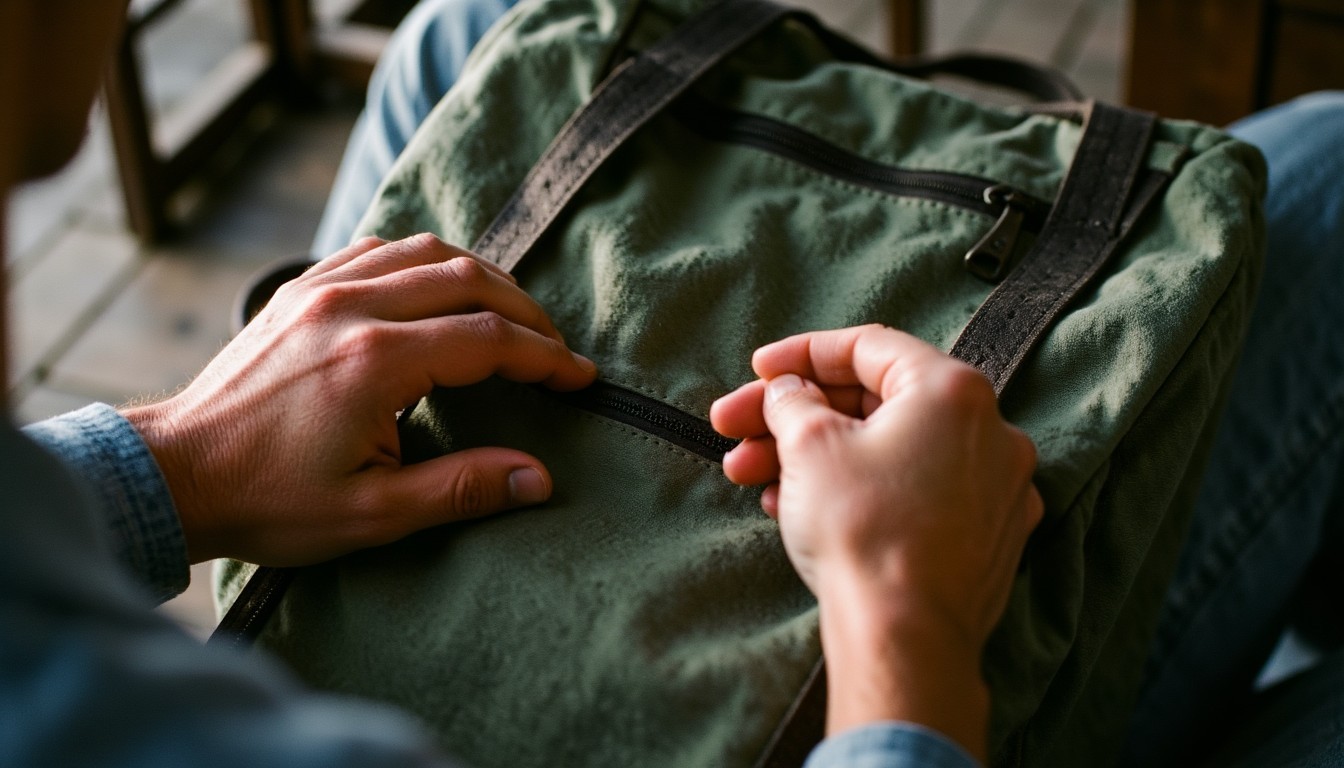
A zipper that jammed in the humidity of Bali. A 'waterproof' pouch that wasn't. A portable battery that died after three months. These failures aren't annoyances; they are valuable data. They are the market telling you that a product’s marketing was a lie.
I trust failure more than I trust a five-star review. Failure is empirical. A cheap carabiner that snaps under load teaches you more about material science than a spec sheet ever will. You learn to value things that are over-engineered and under-marketed.
Never trust new gear on a critical trip. Use it at home first. Run it through a dozen cycles. Wash it, drop it, stress it. Find the point of failure in a low-stakes environment, not when you're a thousand miles from a replacement.
I once carried a beautiful, hand-stitched leather notebook cover. It looked the part. But it weighed 400 grams empty and picked up moisture in the tropics. It was dead weight. It failed the audit.
The Anchor Asset
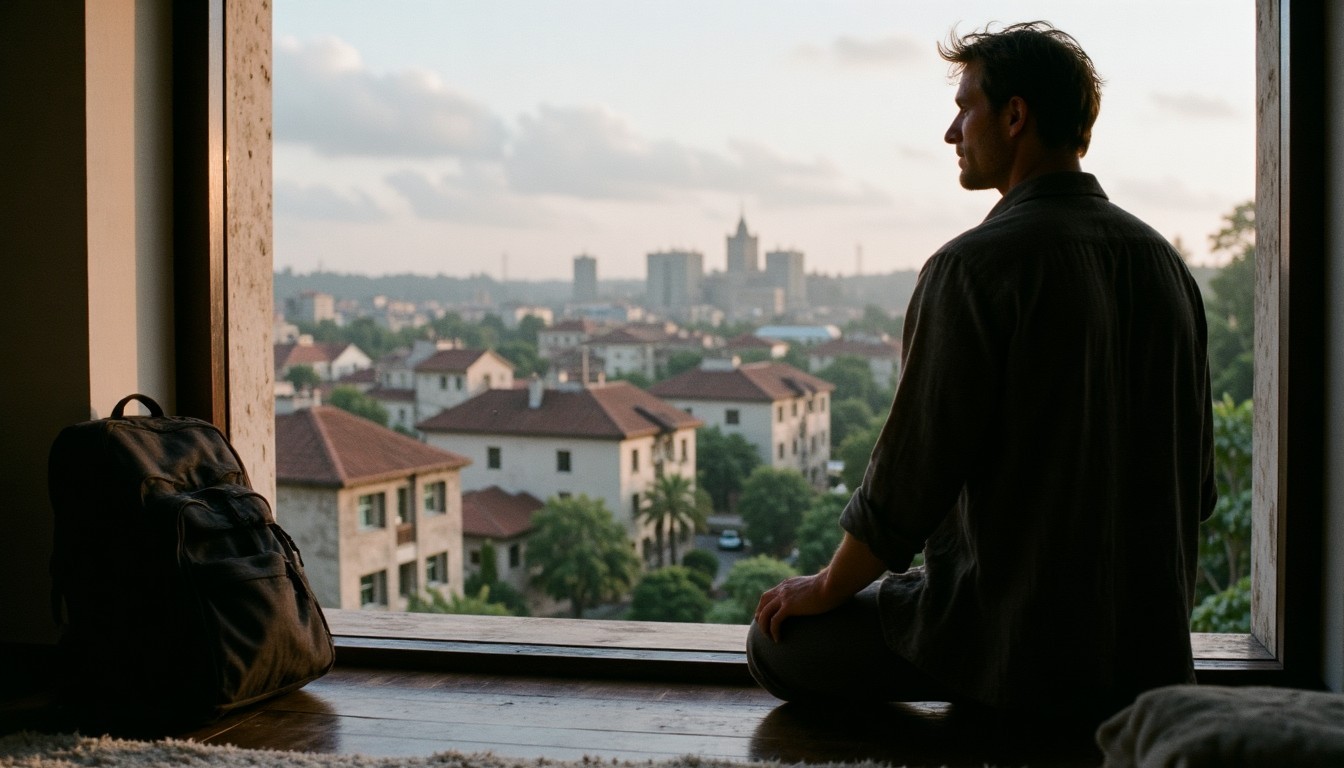
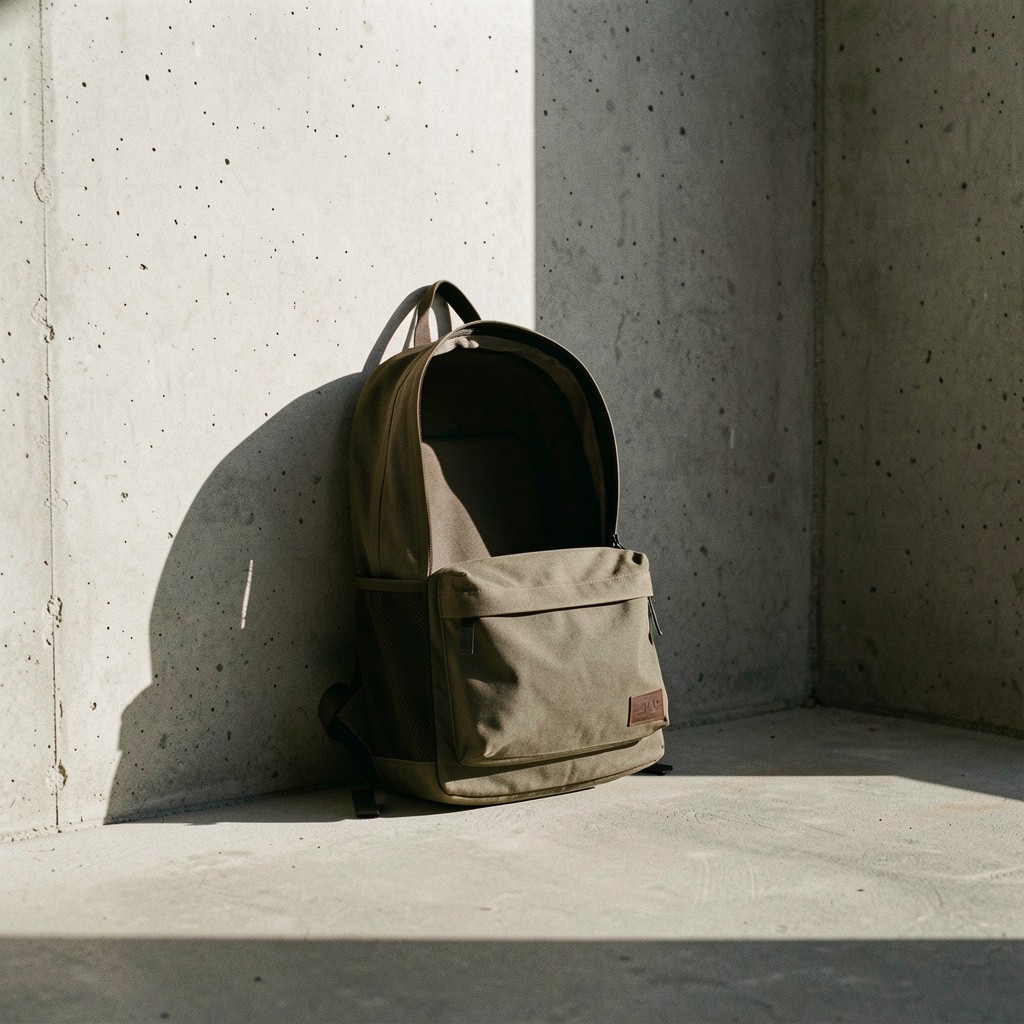
After six years and dozens of countries, the bag itself is the one piece of gear that has never been on trial. The 45L Peak Design Travel Backpack (the empty weight is a substantial tax before you even start packing) is the system chassis. It’s not perfect—the side water bottle pockets are too shallow, a baffling design flaw. But its core function is flawless.
The pack's genius is its structure. It opens like a suitcase, not a top-loader, giving instant access to everything. The internal dividers create a clear system. Trading gear on the left, clothes on the right, documents on top. There is no searching, no unpacking the whole bag to find one cable.
> It's a workspace, not luggage. That distinction is everything. It’s the difference between being a tourist and being operational.
It has survived being thrown onto boats, dragged through airports, and used as a desk in countless cafes. It has earned its place not because it's indestructible, but because its design fundamentally reduces friction. It makes the act of moving through the world simpler.
The Final Edit
Ultimately, the gear audit isn’t about the gear. It’s a physical manifestation of editing your own life. It's the practice of asking what you truly need to function, and the discipline to leave the rest behind.
The process never really ends. Every few months, I lay everything out on the floor, just as I did today in Porto. I weigh each item. I question its utility. Most things stay, but sometimes, something goes. And the bag gets a little lighter.
Some links in this post are affiliate links — if you buy through them, I earn a small commission at no extra cost to you. I only recommend things I actually use.