The Halyard Slapped, the City Remembered
2026-06-12 · Markets
The halyard on the mainmast had been slapping for twenty minutes. I kept thinking I'd get up to secure it and then didn't. The coffee was hot. The city across the water was still a constellation of electric lights. The Patek read 06:11.
A book of essays on silence lay open beside the cup, but I wasn't reading. The slapping had become a rhythm, almost a conversation. Then it stopped. The wind shifted, or the line found a different angle. For a moment, the absence of it was louder.
The silence after a noise you'd grown used to is the heaviest silence of all.
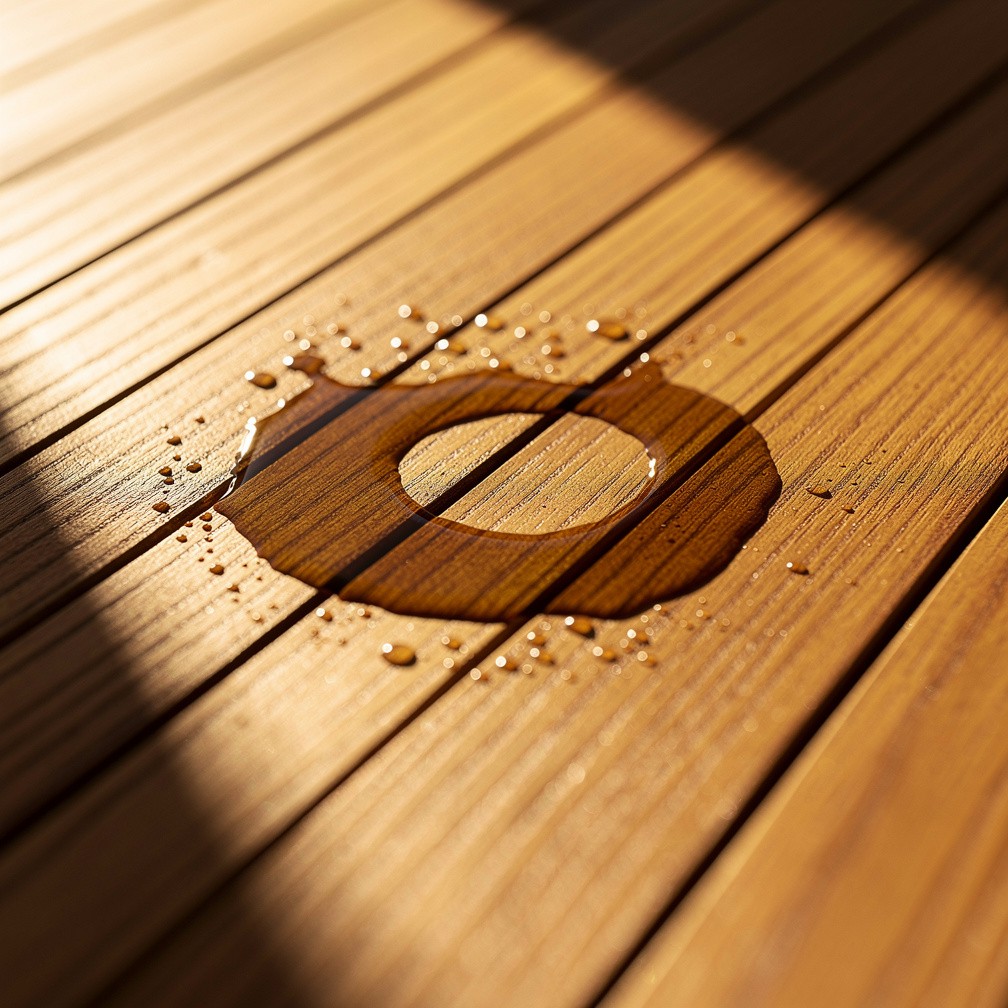
The deck was cool under bare feet. A ring of condensation from the bottle last night had left a pale watermark on the teak. I'd meant to wipe it up. I let it be.
The Geometry of Memory
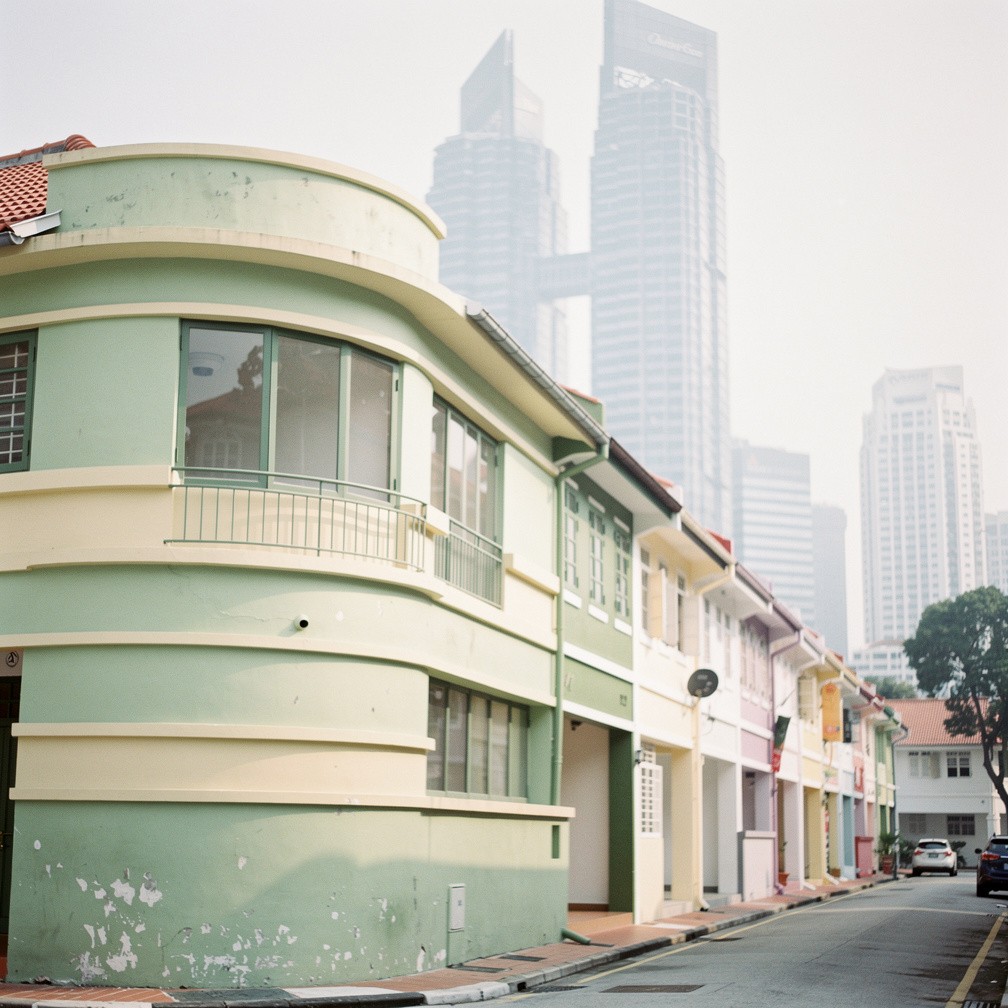
Tiong Bahru at midmorning is a city of shadows. The five-foot ways cast sharp rectangles across the pavement. The art deco walk-ups repeat their curve and line until the eye loses count. I walked Eng Hoon Street. Past the old market, a vendor was arranging rambutans in precise pyramids. His hands moved with the weight of forty years, not needing his eyes.
The neighborhood had changed. A new café. A pop-up gallery where a provisions shop used to be. But the bones were the same. The air was thick and carried the smell of frying garlic. I stopped for a plate of Hainanese chicken at the south entrance stall. Skin-on thighs, as remembered. The rice was just oily enough. The chili bite was correct. It tasted exactly as I remembered.
The geometry of produce: pyramids of rambutans, stacked bok choy, rows of fish on ice. The vendors arrange with an instinct for order that predates any algorithm.
D850, 35mm, f/5.6, 09:47—waiting for a shaft of light through the high windows to land on a hand.
The Weight of Paper
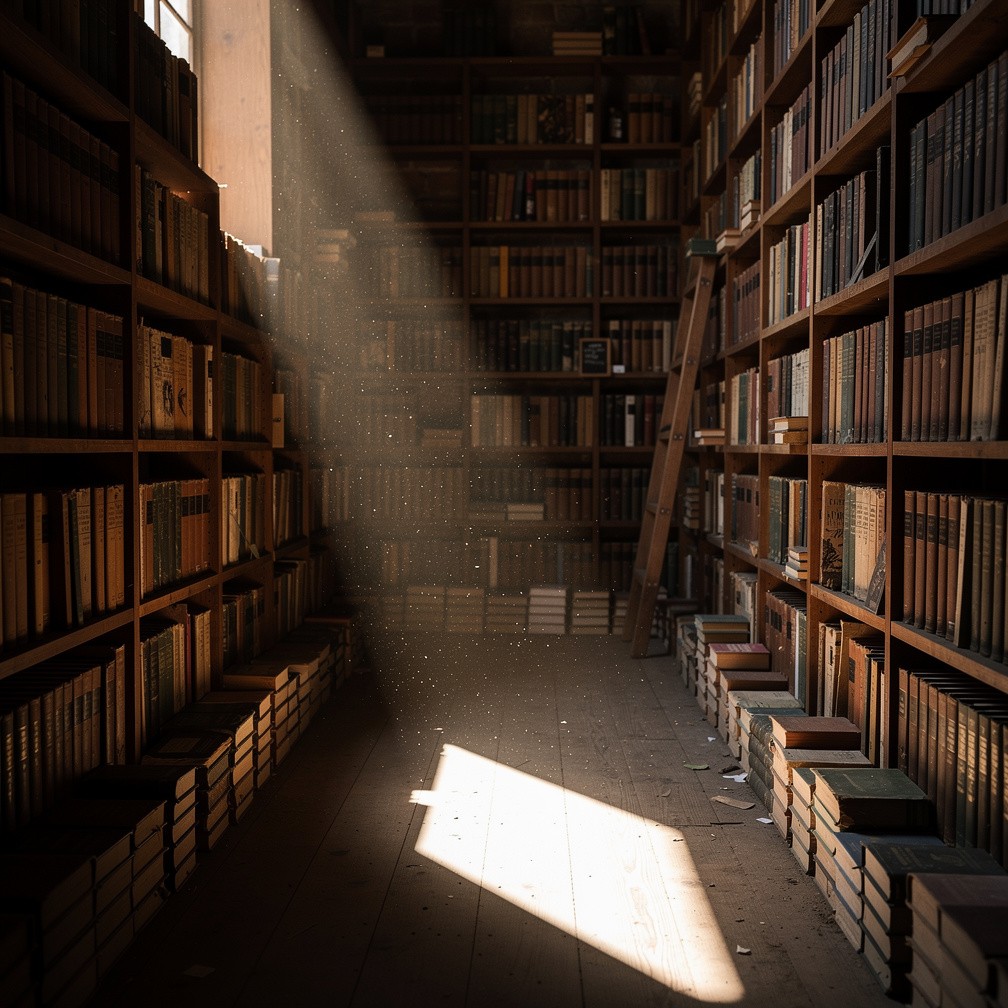
Littered with Books smells like old paper and floor polish. The owner, a woman in her sixties, greeted me with the same nod she's given for a decade. I didn't need to ask. She pointed to a shelf near the back. "First-edition Singaporean essays. One you might like."
It was a small volume, clothbound, the spine cracked from fifty years of handling. I opened it at random: an essay on the color of the Singapore River before it was cleaned. The prose was careful, a little melancholic. I bought it without checking the price. A small rebellion against the digital world's insistence on valuation before experience.
The rare bookshop is a museum that still works.
The Baba House was a different silence. A restored Peranakan mansion from the 1860s, opened after hours by a curator who spoke in whispers. The tiles, the carved teak screens, the ancestral altar—all preserved but not ossified. It felt like a house that had been waiting for someone to come back. I stood in the central courtyard for ten minutes. Watched the light shift across the blue-and-white porcelain tiles. No one spoke. The city hummed faintly outside. But here it was the sound of a distant sea.
Evening, Aft
Dinner on Serenity was simple: Dover sole, brown butter, boiled potatoes. Chef Marcello understands that less is more when the ingredients remember where they came from. The white Burgundy from the reserve was crisp and a little too easy to drink.
The bay was dark now. The city was a wall of lights reflected in the still water. Someone on a neighbor boat was playing Dire Straits on a tinny speaker—"Sultans of Swing" in fragments. It should have annoyed me. But tonight it was just another layer. Like the halyard had been. A reminder that no silence is ever complete.
I stayed on deck until the bottle was a clear half-inch from done. The ring on the teak had dried to a faint ghost. I'd sand it out another day.