The Half-Life of an Accent
2026-02-13
He was English, but the sound had been worn smooth by thirty years of Portuguese sun. We were in a tiny bar built into the old walls of Obidos, the kind of place that smells of damp stone and sour cherry liqueur. He told me the usual story: came for a holiday in the nineties, never left. Found a wife, a business, a life.
He spoke of his new home with a practiced fondness, hitting the familiar notes of a man who has told his own origin story a thousand times. The suffocating grey of London, the relentless pace, the sense of being a cog. Here, there was light. Here, there was time. It was a clean narrative, a simple trade of one thing for a better one.
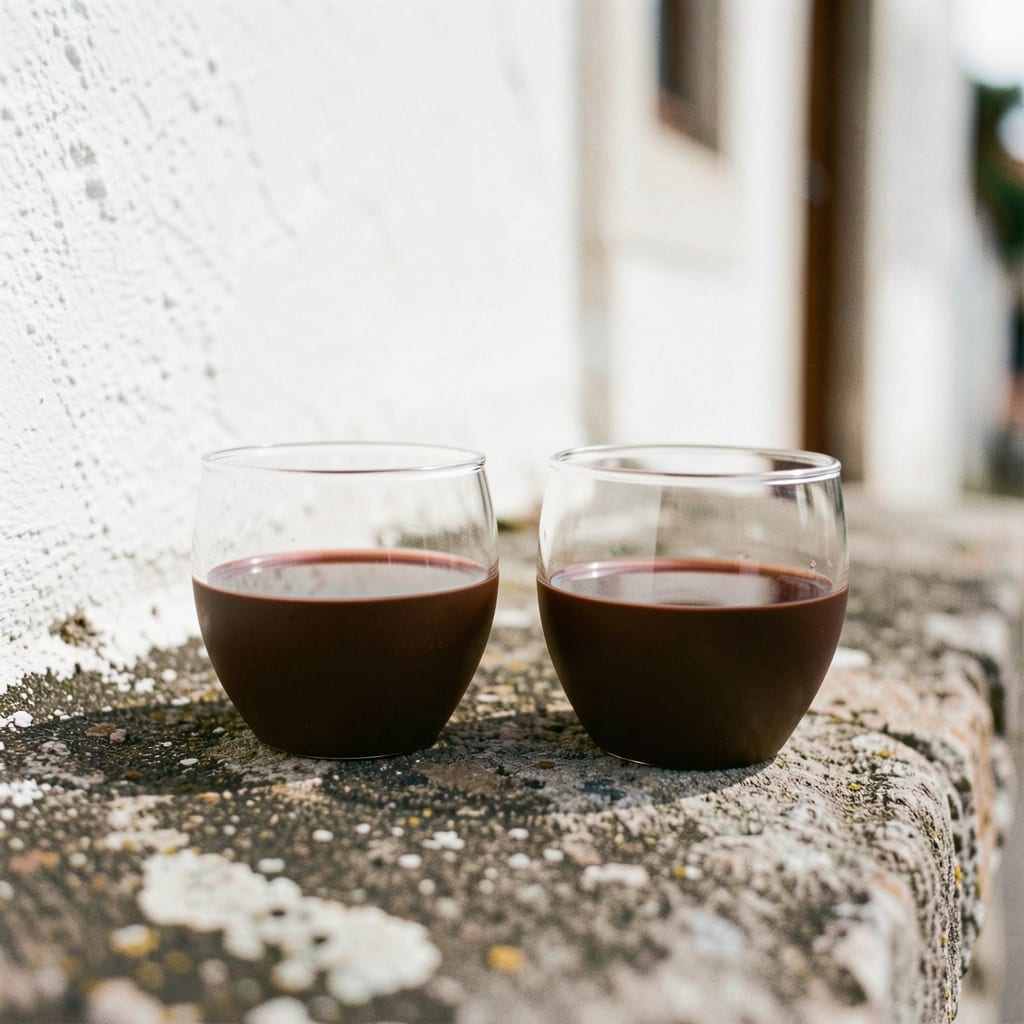
I waited for a pause. "And what language do you dream in now?" I asked.
The rhythm of his speech broke. For the first time, he wasn't reciting a script. He looked at his glass. He said he still dreamt in English. That he missed the specific weight of a Sunday paper, the shared cultural shorthand of a nation, the person he might have become if he’d stayed on the track he was supposed to be on.
The Ghost Currency
It wasn't regret. It was just an honest accounting of a long-ago transaction. He had paid for his sun-drenched life not with money, but with a ghost. The ghost of the man who stayed in London, who married a different woman, who spoke only one language without thinking. We all have them.
You don’t escape a life; you just exchange it for another. The ghost of the one you left behind always sits at the table.
He finished his drink. I paid the bill. Outside, the evening was settling over the white-washed houses. He was as much a part of this landscape as the stones, and as foreign as he was on the day he arrived.