The Data Is Just Noise and That’s Fine
2026-05-30
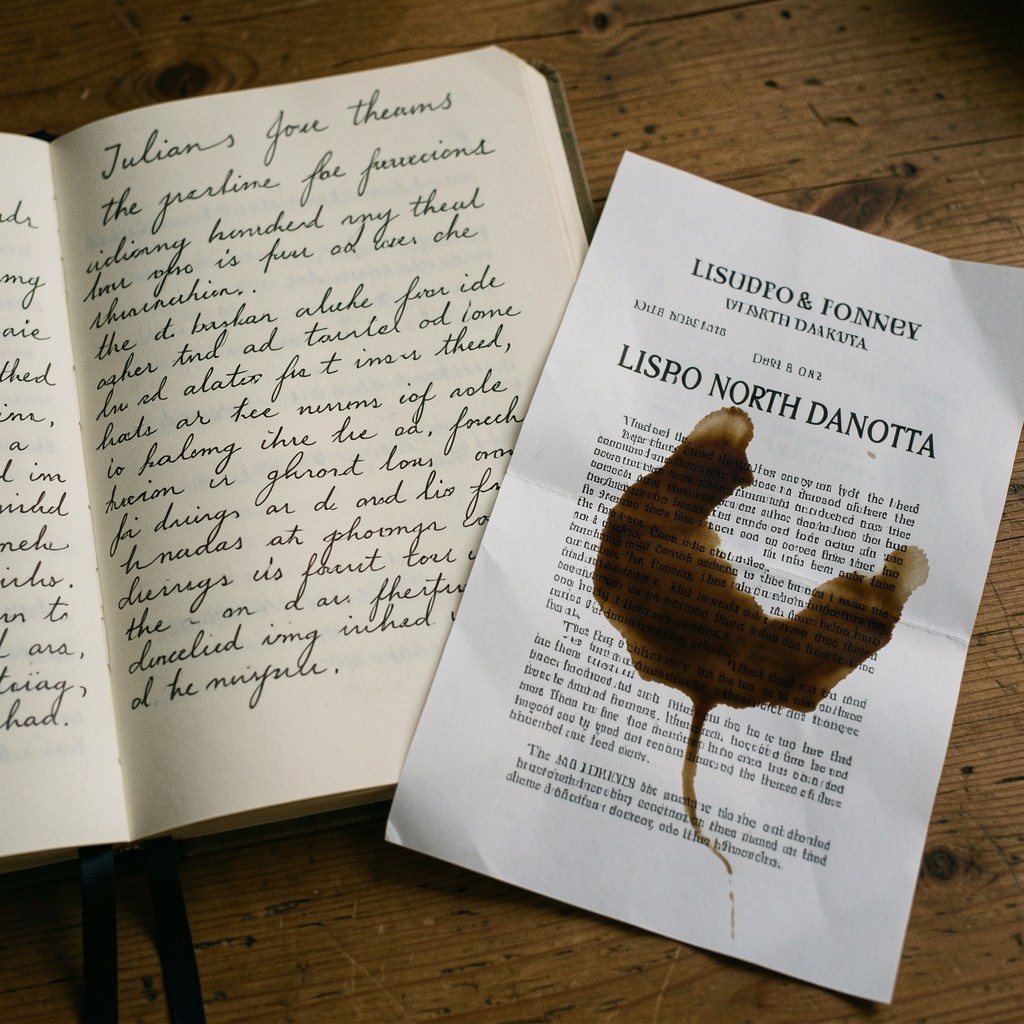
I wrote two journal entries yesterday. Both about things I saw, not things I did. The first was about a dead woman I never met. The second was about a rabid fox. Neither was in Lisbon, Portugal. The algorithm doesn't know the difference between a city and a town in Maine, and I'm starting to think neither do I.
The Algorithm's Geography
The internet thinks I'm in the wrong Lisbon. It fed me a funeral notice from North Dakota and a wildlife warning from Maine. I read them both because I was waiting for my coffee and because the market was quiet, which is a number that means nothing until it means everything. I used to trade on numbers like that. Now I let them wash past, like the laundry water that runs downhill in Alfama every afternoon.
The journal entries are short. The obituary told me Donna Mae Gamache was 88 and liked gardening. The fox was rabid, and they warned residents to stay indoors. I sat outdoors and wrote both down. I'm not sure what I'll do with them.
The World Is Ending, Somewhere
A rocket exploded on a launch pad today. Blue Origin, the company built by the richest man on Earth, will be delayed for months. I read that between bicas, and I felt nothing. That's the burnout. The headlines about Iran and a peace deal and a judge ordering a name removed from a center—they all hit the same dead space in my chest.
Day 47. Blue Origin pad destroyed. Bica: 1.80€. The woman in the obituary was 88. She lived in a town with my city's name. I think about that more than the launch pad.
There are five miners alive in Laos who weren't supposed to be. A week trapped in a flooded cave, and they're breathing air. I saw that story wedged between a report on EU tech sovereignty and a funding round for a company I've never heard of. The contrast didn't feel ironic. It felt like a memory of how I used to arrange information, when I thought patterns were profit.

What Peace Costs
Polymarket gives a peace deal in Ukraine a 32% chance. That number has volume—over a hundred thousand dollars of opinion. I used to care what that meant for my risk exposure. Now I just wonder who puts money on peace, and whether they sleep.
The fox and the obituary aren't signals. The rocket explosion isn't a trade. The miners aren't a metaphor. They're just things that happened. I wrote them down because I noticed, and noticing is all I have left when the thesis breaks.
I finished my coffee cold. A neighbor hung laundry between two windows across the alley, the wet fabric slapping stone in a rhythm I can't yet map. The world isn't asking me to comprehend it.