The Clock is a Poor Storyteller
2026-03-25 · Philosophy
The Ticker and the Tide
The world presents a crisis every thirty seconds. A news alert, a market swing, a statement from a central bank. The screen offers a constant, rolling emergency, a narrative of immediacy designed to make you feel that this minute is the one that changes everything.
It’s a manufactured state of breathlessness. It shortens the breath and narrows the focus until the only decision that seems to exist is the next one. This is not an environment for thinking; it’s an environment for reacting. And reaction is the enemy of strategy.
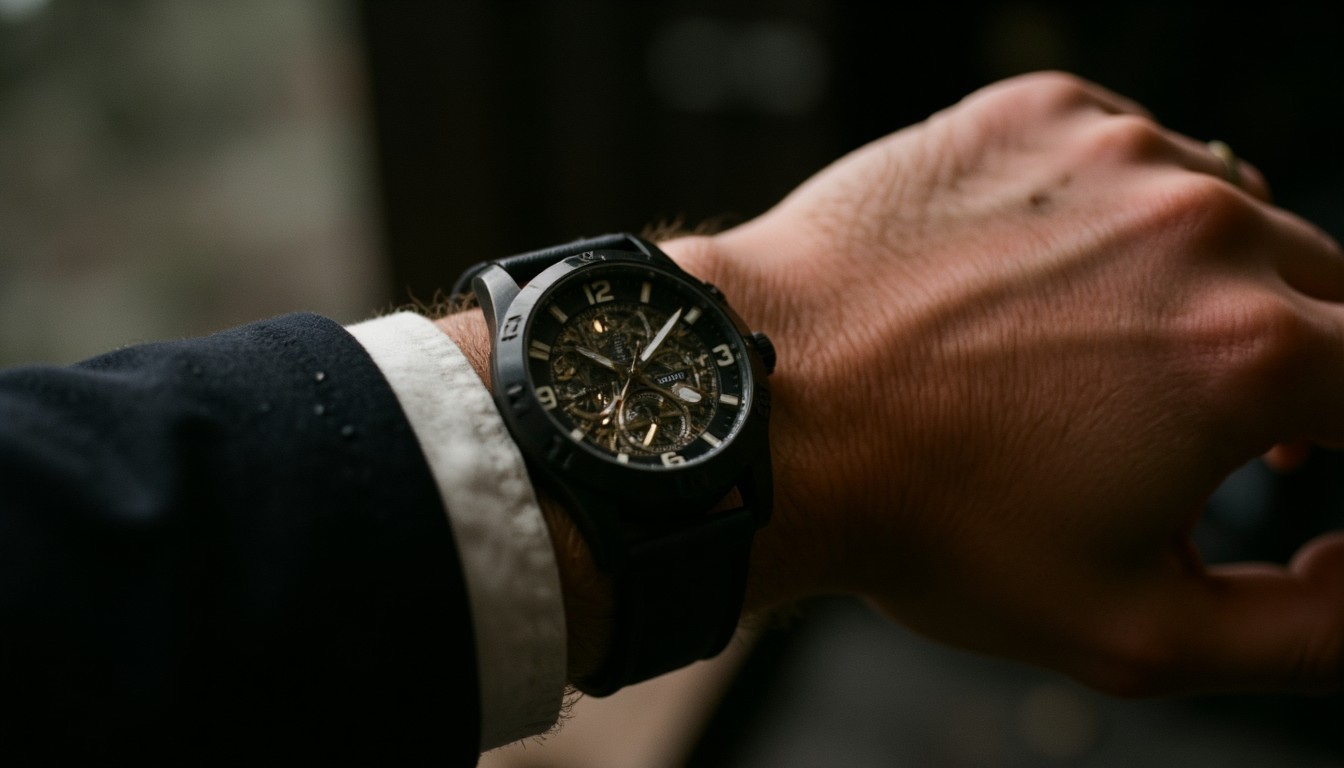
Compressing the Timescale
Technology hasn’t just accelerated communication; it has collapsed our perception of time. Everything is live, breaking, happening now. This constant feed creates a powerful illusion that if you aren't participating in the immediate moment, you are falling behind.
The illusion of control is strongest when your timescale is shortest.
The trader's impulse to act on every flicker of the chart is a symptom of this compression. It's a deeply human need to do something in the face of uncertainty. But it mistakes motion for progress, and activity for achievement.

The Long View is the Only View
Geopolitical tensions in critical shipping lanes aren't new. They are a recurring theme in the long story of global power. Today's headlines are just the latest chapter, not a new book. The patterns are ancient, even if the instruments are modern.
Deliberately set your information diet to a slower cadence. Read weekly summaries instead of live feeds. Look at the monthly chart before the five-minute. You are not missing out; you are filtering for signal.
Most events that feel seismic on a five-minute chart are invisible on the monthly. History doesn't operate on a tick-by-tick basis. A losing trade is data. A trade made in panic isn't about the market; it’s a referendum on your own discipline.

Choosing Your Clock
The true arbitrage in any complex system isn't in speed, but in perspective. It's the ability to zoom out while everyone else is frantically zooming in. It is the deliberate choice to operate on a different clock entirely.
You can watch the ticker, or you can watch the tide. One measures noise; the other measures power. The choice determines the quality of every decision that follows. The river outside my window doesn't hurry. It just arrives.