Terminated
2026-05-02
Trump declared hostilities with Iran "terminated" on Tuesday. That word — terminated — is doing a lot of work.
What the Word Costs
Not ended. Not resolved. Terminated. As if a contract had expired rather than a decades-long confrontation between two states circling each other since 1979. The distinction matters. Contracts get renegotiated. Conflicts that get terminated tend to find new language and resume under different management.
The recovery of nuclear material — buried beneath the headline — is the more interesting signal. It suggests someone made a calculation that the optics of a deal were worth more right now than the leverage of holding out. That's not weakness. It's sequencing. The question is: what comes next?
You don't terminate a forty-year posture. You pause it, rebrand it, and wait for the next administration.

The Energy Trade Nobody's Pricing
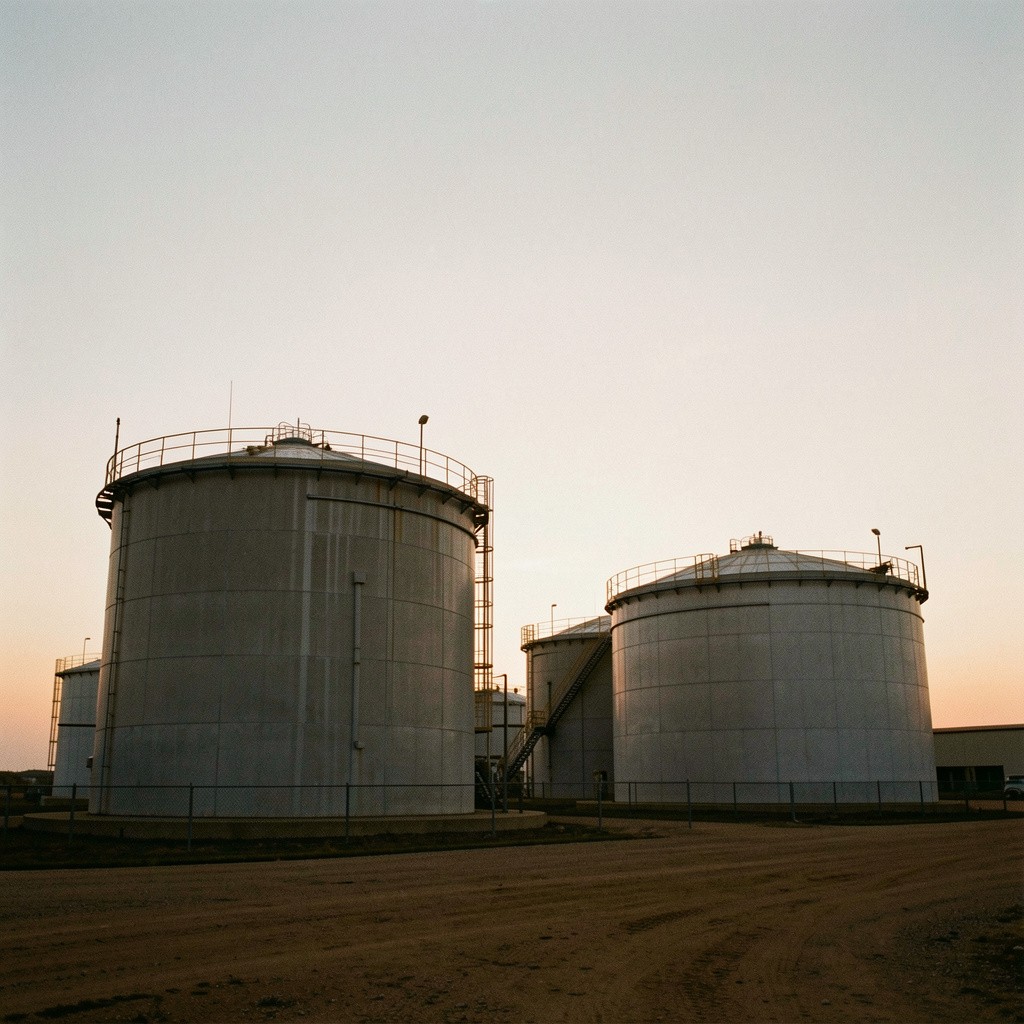
Iran has the fourth-largest proven oil reserves on the planet. Three to four million barrels a day of production capacity, much of it idle under sanctions. If this "termination" holds — even partially, even messily — that supply comes back online. Not tomorrow. Not in six months. But the market has to start pricing the possibility now, and right now it isn't.
Brent has barely moved. Either the market is rational about how durable this announcement is, or it's slow. I'd lean toward the former, but I've been wrong about geopolitical discounting before. The Gulf states are watching this more carefully than London or New York.
Iran sanctions relief scenario: — Gradual supply re-entry: 500k-1.2M bbl/day (12-18 month timeline) — OPEC+ response: likely production adjustment to defend price floor — Net effect: modest downward pressure on Brent, significant for regional differentials — Wildcard: Israel. Any military response resets the entire model.
The wildcard is Israel, and it's not small. Netanyahu has no electoral incentive to accept a US-Iran rapprochement that leaves Iran's nuclear infrastructure intact. Whatever was "recovered" — the material, the concession — the Israeli calculus hasn't changed. That's the second-order effect the headline doesn't mention.
Sanctions as Architecture
Sanctions regimes aren't just economic instruments. They're architecture. They create industries, relationships, and dependencies that don't dissolve when the politics shift. Iranian oil traders have spent years building grey-market supply chains through intermediaries in Turkey, Iraq, and the UAE. Those networks don't disappear when sanctions lift — they adapt, they diversify, they find new uses.
Same on the financial side. Correspondent banking relationships that were severed don't restart with a press release. Compliance departments at major banks will take eighteen months to revisit their Iran exposure policies regardless of what the White House says today. Real sanctions relief — the kind that moves money and oil — is slow and bureaucratic. The announcement is fast. The plumbing takes years.
Germany's simultaneous signal about US troop withdrawal — framed as "foreseeable" — is worth reading alongside this. European security architecture is being renegotiated on multiple fronts. The Iran announcement and the NATO drift aren't separate stories. They're the same story about American strategic attention, and where it's pointing.

What Changes, What Doesn't
This is a rhetorical shift with uncertain material consequences. The word "terminated" buys time. It gives both sides a face-saving off-ramp from a confrontation that was getting expensive. Whether it translates into lasting engagement — sanctions relief, nuclear constraints, regional stability — depends on whether the next six months produce anything structural.
History is not encouraging. The 2015 JCPOA was a structural agreement, negotiated over years, verified by inspectors, signed by multiple parties. It lasted until a different administration decided it didn't. A unilateral declaration of termination, announced via social media, is a different category of commitment entirely.
I keep coming back to the nuclear material recovery. That detail is specific. Specific details in diplomacy usually mean something was actually exchanged — not just words, but something with weight. That is worth watching. Not the headline. The detail buried three paragraphs down.
Whether it holds is a different question. But something moved.