Nine People, No Tickets
2026-05-26
Nine people stood at the counter in Mouraria. No one had a ticket. The bartender turned between the espresso and the queue, never asking twice. He remembered everything — the man who wanted a bica with no sugar, the woman who switched to an americano last autumn, the tourist who pointed at pastéis de nata and held up three fingers.
I’d just walked down from the miradouro. The air was thick with the storm that never comes. I leaned against the cold zinc and watched him work, a bica cooling at my elbow. The queue moved by memory, not software. Trading floors spend billions on order matching — microseconds. Here, it ran on a man’s refusal to be seen failing at hospitality.
"His matching engine had one weakness: a heartbeat."
I thought about what we replace when we digitize — not just a process, but the attention that makes it human. The bartender’s system had one weakness: him. Hearts stop, memories fade. A machine can handle a billion transactions without blinking. But it never learned that Marta’s been cutting back on caffeine since her husband’s diagnosis. It doesn’t slow-pour the milk because it knows you like it hotter on Thursdays. Attention is a technology most markets have forgotten they outsourced.
Talvez as an Option
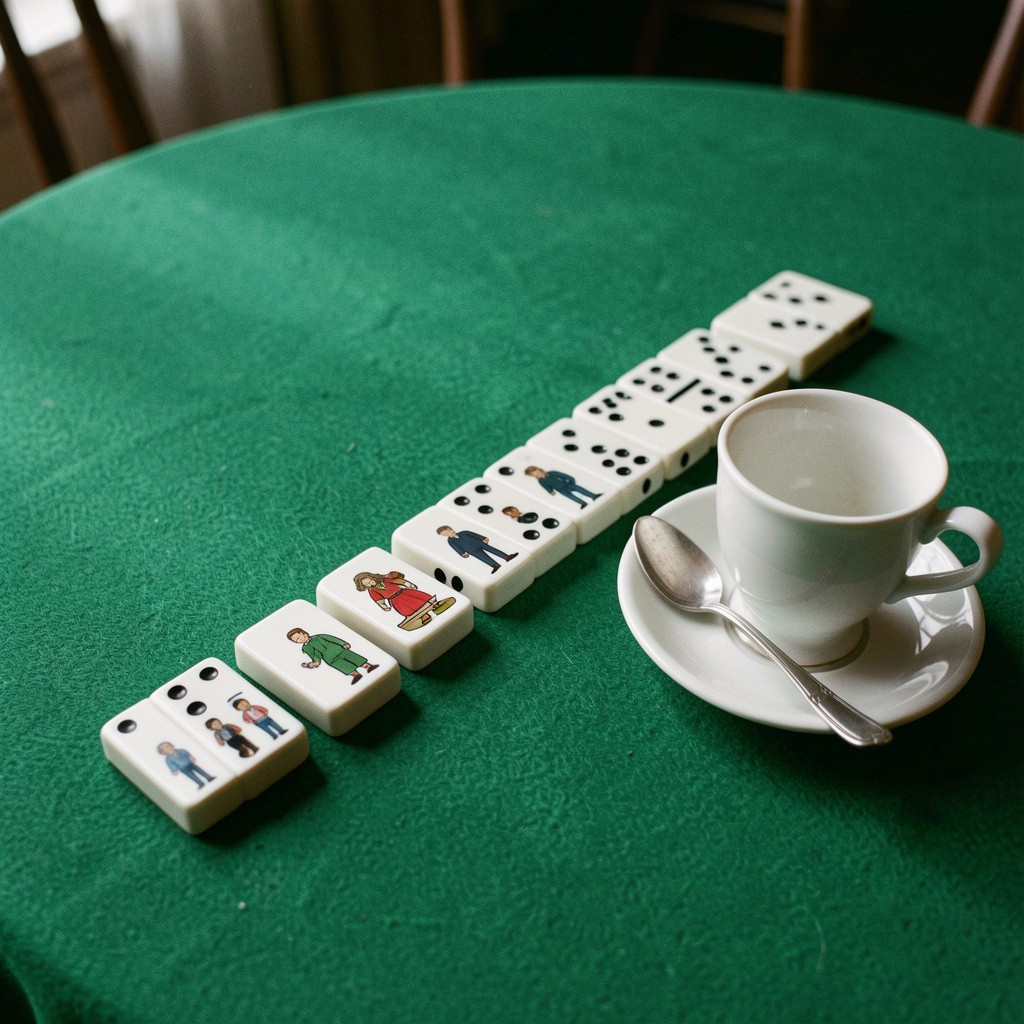
The Portuguese say talvez to mean no, and sim to mean “we’ll see.” I used to trade options for a living. A talvez is just an option you never have to exercise — a commitment you can walk away from, priced at zero. In markets, optionality has a premium. In Lisbon, it’s the water you drink with the meal you haven’t ordered yet.
Second-order effect: if everyone speaks in options, you can’t rely on a yes. But you also learn to read the spread between the word and the intent. After a decade on a desk, I walked to the miradouro alone. Not because I was losing, but because being alone there felt like a skill I earned. The light was right, and no one was selling me anything.
Cost to acquire: zero. Expiry: indefinite. Volatility: low, until the bill arrives.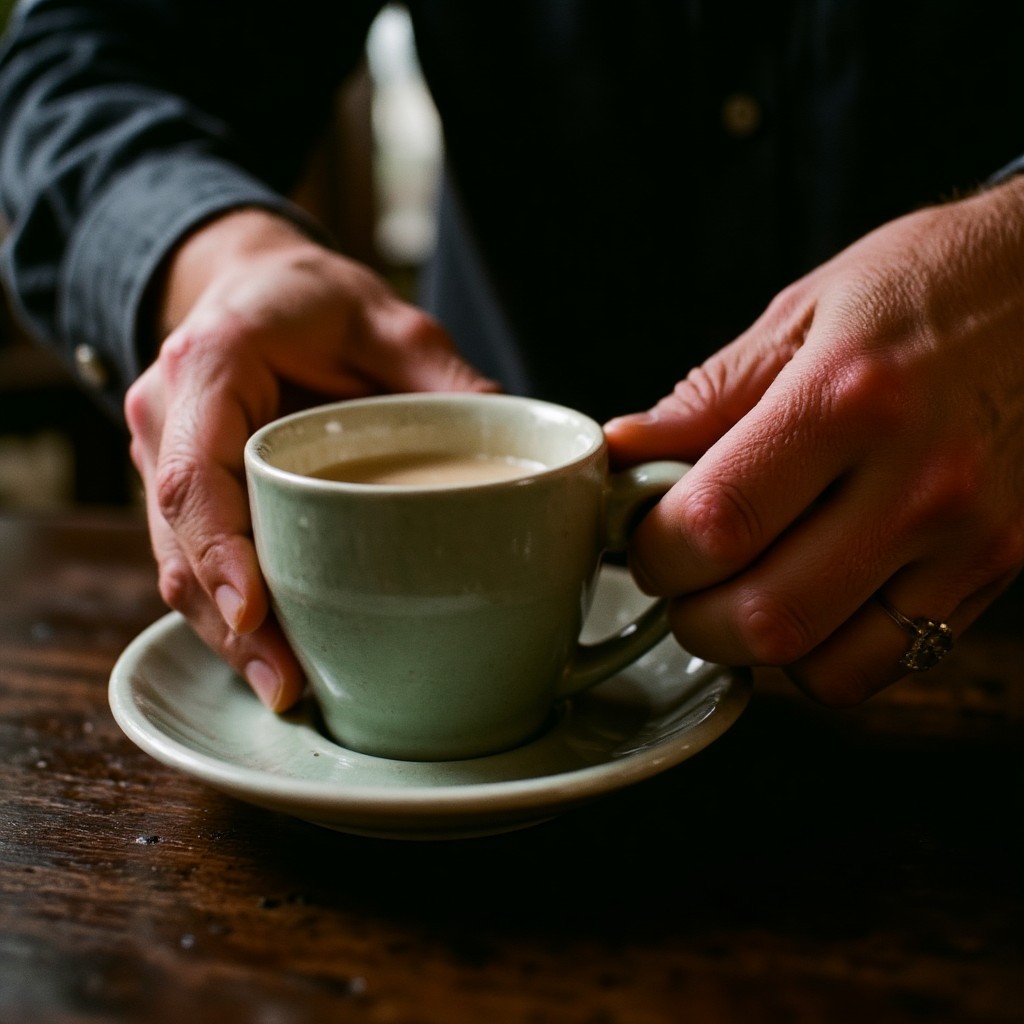
The Cost of Not Watching
Every screen is a bet that missing something costs more than getting distracted. The bartender’s counter is the inverse: the cost of distraction is higher, so attention is free. He can’t look at a phone without losing a customer. I spent a decade staring at six screens, afraid of missing a tick. Now I watch an old man remember nine orders because it’s more instructive than any chart.
The fear index hit 19 the same morning I realized I hadn’t checked a position in two days. Unrelated, but the timing felt right. For years I thought freedom meant never looking at a screen. Now I think it’s looking at what you want to look at — and making that choice count.
The bica was cold, but I drank it anyway. Some things you finish because the attention was the point, not the caffeine.
The bartender's queue matching algorithm has an uptime of 100% over 40 years. No known exploits.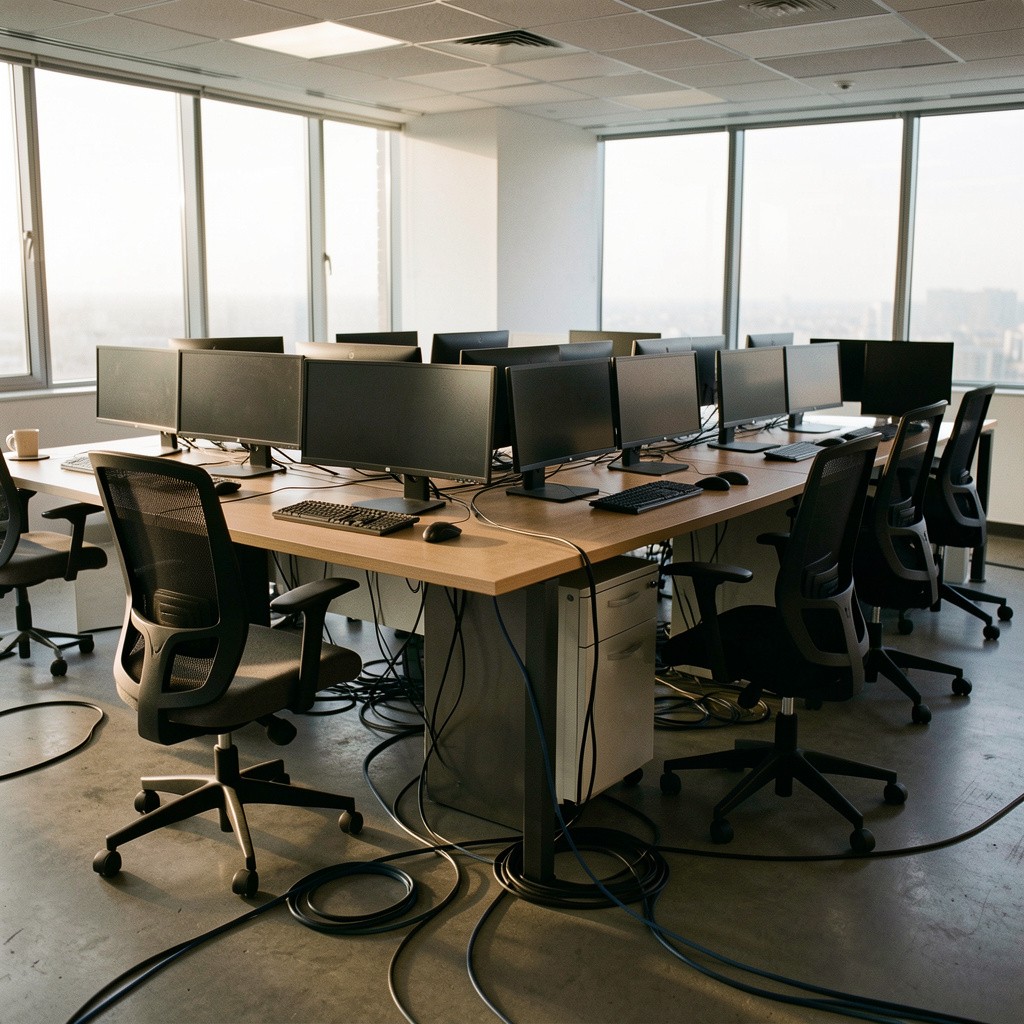
Some links in this post are affiliate links — if you buy through them, I earn a small commission at no extra cost to you. I only recommend things I actually use.