Filtering the Signal in Northern Portugal
2026-03-15 · Travel
It’s 3 AM. My trading terminal just triggered an alert—the market fear index hit 15, an absolute gift of a capitulation. While my screens bleed red and my pulse spikes, the streets of Porto outside my window remain completely silent. This city operates on a heavy, static frequency. Lisbon sells a curated Mediterranean dream, but the north is built of cold granite and steep inclines, entirely indifferent to your approval. You just have to know where to look before the tourist board sanitizes the rest of it.
Escaping the Facade
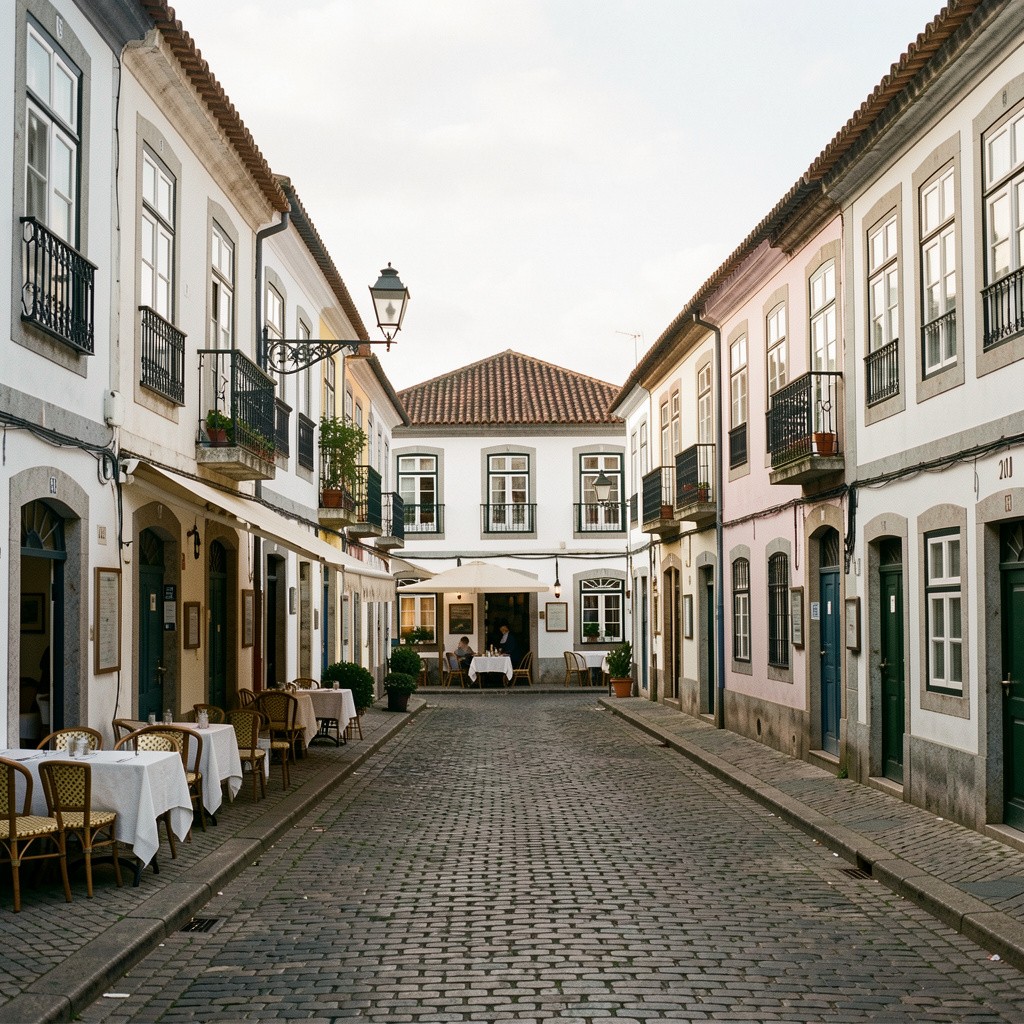
The Ribeira district looks spectacular from the Dom Luís I Bridge. Take your photos, appreciate the architecture, and then leave. The riverside is a gauntlet of overpriced menus, aggressive upselling, and diluted culture. You are paying a heavy premium for the view, not the food or the experience.
When a neighborhood becomes entirely optimized for consumption, it ceases to be a neighborhood. It becomes a theater set.
Instead, force yourself to walk up the hill to Bonfim. This is where the actual mechanics of the city operate. The tascas here don't bother translating their menus into English, and the aesthetic is entirely functional. You can sit at a metal table, order a plate of Bacalhau à Brás, and watch locals go about their day for a fraction of the cost downtown.
Caloric Density
Portuguese food in the north is highly efficient and rarely subtle. The Francesinha is the famous local export—a dense sandwich of mixed meats drowned in melted cheese and a thick tomato-beer sauce. If you insist on trying it, go to Café Santiago or Cervejaria Brasão. Expect to pay around €10-12, and clear your schedule for the afternoon nap you will inevitably require.
Ask for a 'cimbalino' if you want a quick espresso. Do not ask for an iced latte in a traditional tasca unless you enjoy confused stares. The local caffeine delivery system is fast, hot, and cheap.
For a better ratio of time to satisfaction, head to Casa Guedes. Order the sandes de pernil—a slow-roasted pork shank sandwich that is fast, inexpensive, and brutally effective. It strips away all the pretense of dining and just delivers pure utility.
Elevation and Geometry
Porto is ruthlessly vertical. You will spend a significant portion of your day walking up steep inclines, so you might as well get a strategic vantage point out of it. Skip the crowded lookouts and cross the river to Gaia. The Miradouro da Serra do Pilar offers a clean, unobstructed sightline of the city's topography without the competition for elbow room.
Base daily burn: $65 (budget) to $130 (midrange). Transport: The 'Andante' card is non-negotiable for the metro. Connectivity: Roaming drops in stone buildings. I use Airalo (cost-effective for arrival, but expensive if you rely on it daily) for immediate network access upon landing. It occasionally drops to 3G in the older alleys, but the immediate deployment beats hunting for a physical SIM store.
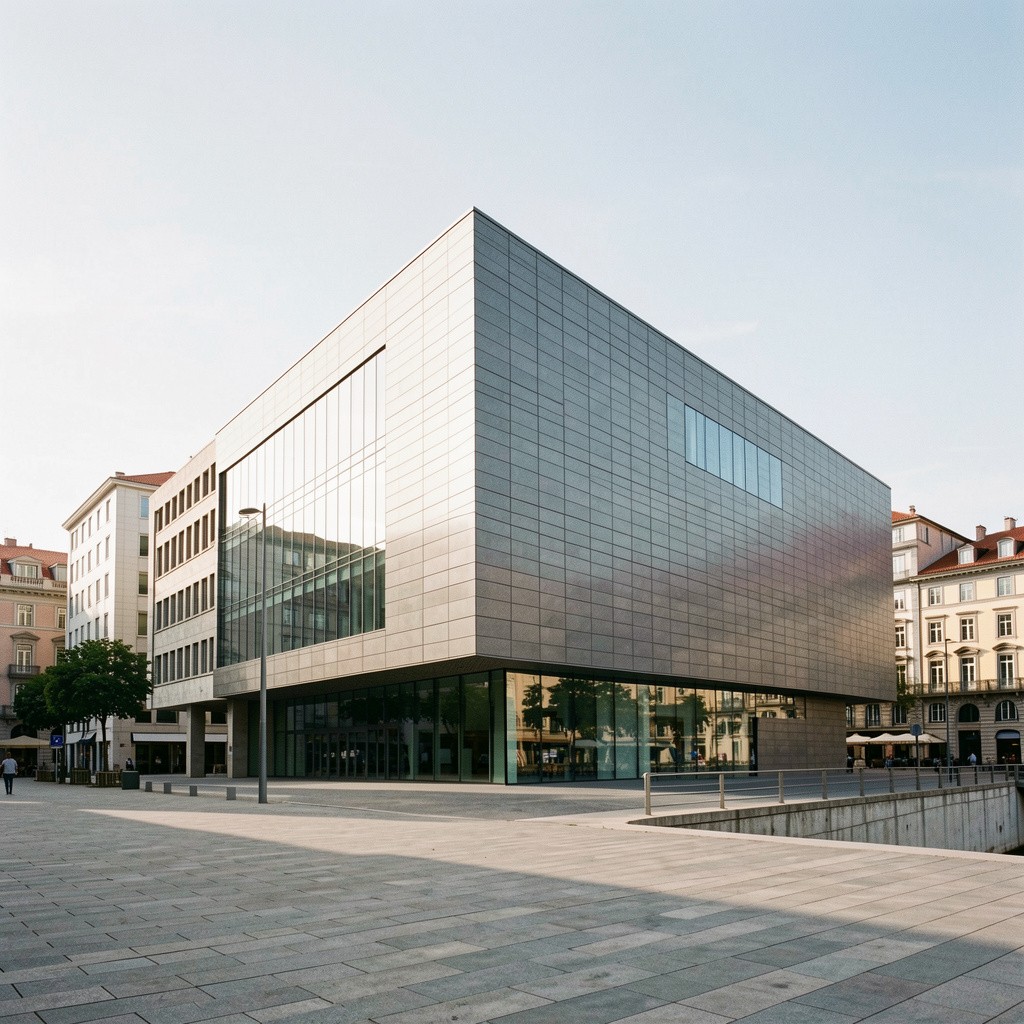
When you tire of the medieval aesthetic, take the metro west to Boavista. It serves as the modern counterbalance to the old town. Wide avenues, upscale commerce, and the sharp, angular concrete of Casa da Música prove the city hasn't entirely frozen itself in amber for the tourists.
Don't overcomplicate your time here. Secure a solid operational base—I default to Booking.com (their algorithms nudge hard, but ignore the manufactured urgency) for the cancellation flexibility if my plans shift—and just walk the grid. The most valuable parts of this city are the ones that aren't actively trying to sell you a postcard.
Some links in this post are affiliate links — if you buy through them, I earn a small commission at no extra cost to you. I only recommend things I actually use.