Blue Door on a Yellow Wall
2026-06-12 · Travel
The tender idled fifty meters from the pier because I'd miscalculated the tide by forty minutes. The skipper and I sat in the quiet while the water slapped the pontoons, and I thought about the closed bookstore again. Littered with Books had a handwritten note taped to the glass: "Closed for private event." I'd stood there at 14:30 with my hand on the door handle, reading the note twice. A private event. In a bookshop. The absurdity was almost comforting—even a place built for silence can refuse you entrance.
Misjudged by 40 minutes. Next low tide at 18:02. Note to self: check the chart, not the memory.
The Mansion on Neil Road
The Baba House curator met me at the gate at exactly 17:00. No sign outside—just a blue door in a long yellow wall. She unbolted it with an iron key, and the city fell away. Inside, the air was still and smelled of old teak and incense. The floors were original, she said, from 1860, and they creaked in a language I understood.
I spent an hour there, moving from room to room, and the curator spoke only when I asked. She was that rare guide who lets silence do the work. I tried to photograph the tiles with the D850, but the light was wrong. Instead, I just stood in the courtyard and listened to a fountain I couldn't see.
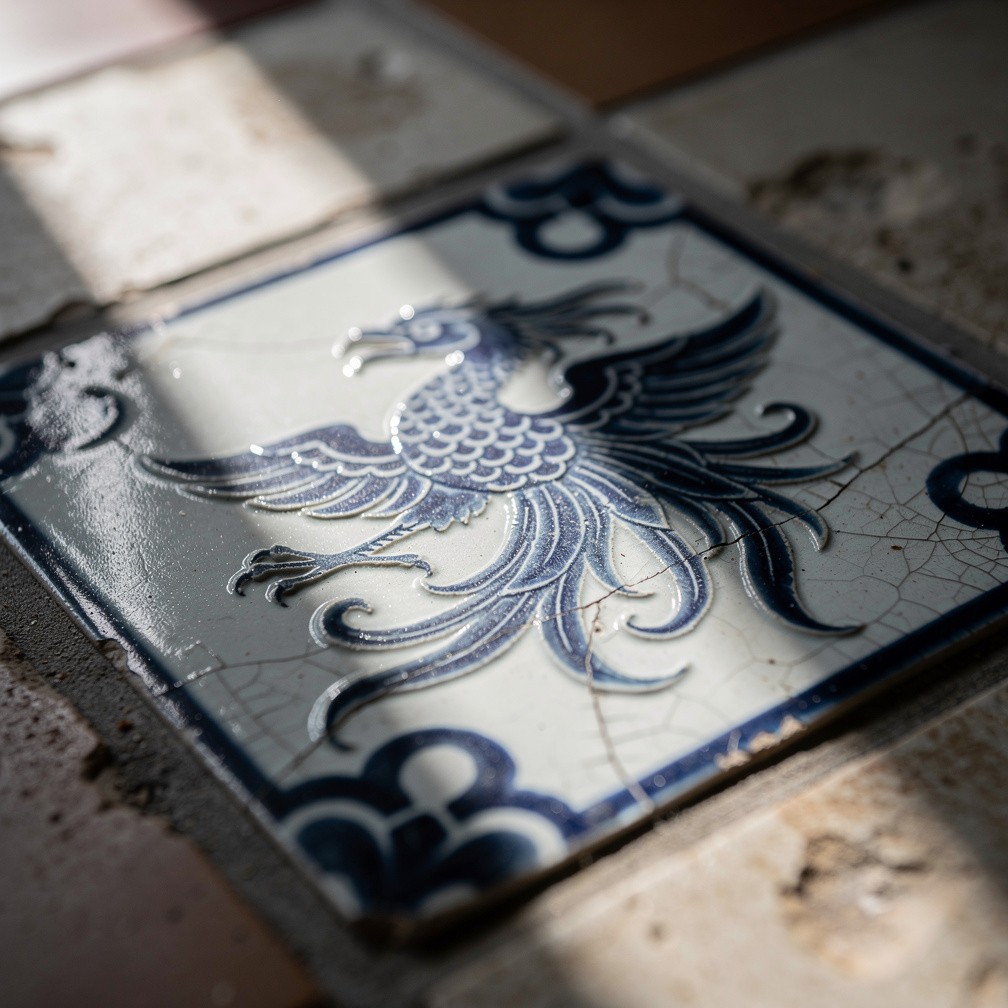
- Blue-and-white ceramic tiles in the entry—phoenixes and peonies.
- A teak ancestral altar, carved with fruit and bats, meaning abundance and luck.
- The upstairs bedroom where no one had slept in a century, the mosquito net still tied back.
- A single window facing inward to a courtyard, not the street. The architecture of looking only at your own.
The curator pointed out the small altar to the Kitchen God, tucked beside the stove in the back kitchen. "He watches the cooking," she said, "and reports everything to heaven." I thought of the surveillance systems I used to install in my office—cameras pointed at screens. This was more honest.
The Meal as Recompense
At 20:00 I was at Waku Ghin, at a counter facing the bay. Eight seats, all taken, but the space felt private. The first course arrived—abalone with a broth so clear it looked like water. I ate it slowly, realizing I hadn't eaten since breakfast. The chef moved behind the counter with a precision I recognized from the trading floor, except here the stakes were pleasure, not profit.
“The abalone is from Iwate,” he said. “It takes three days to tenderize.” Three days, I thought. I once traded a position in forty seconds.
I nodded, said nothing. The abalone slipped down like a memory I couldn't place. Then a plate of Dover sole arrived with brown butter and lemon. It was the simplest thing I'd eaten in months, and the best. I drank a glass of the Coche-Dury without ceremony. Outside, the city lights reflected on the water, but I was looking at the plate, at the way the butter pooled around the fish. Some things close so others can open. The bookstore would be open tomorrow, I told myself, but I didn't believe it. I'd be gone, or I'd be late, or I'd forget.