A Line Around the Mind
2026-06-13 · Travel
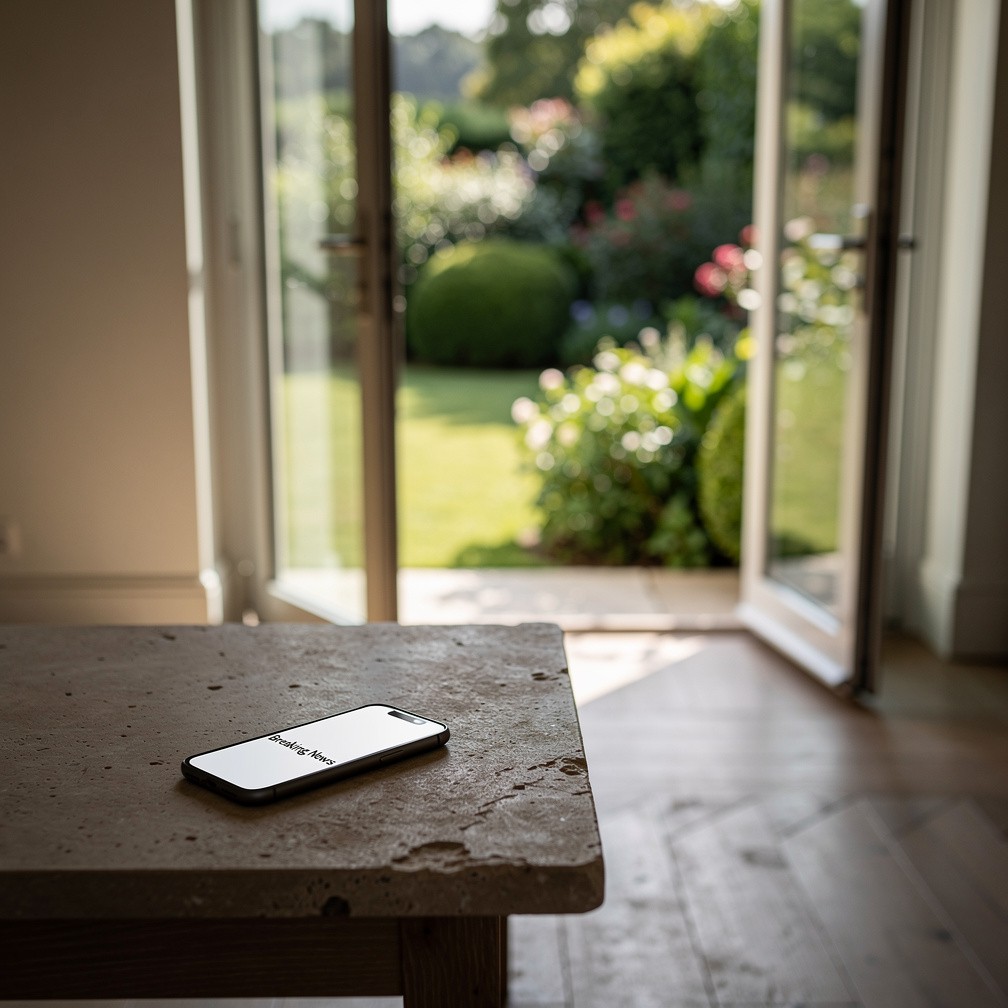
At 05:47 Bali time, my phone lit with a push alert I hadn’t asked for: “US blocks foreign access to Anthropic’s Fable 5.” I set it face-down on the teak table. The Patek read 5:48. Three roosters had already started somewhere down the gorge.
The coffee was bica, pulled from a small espresso machine the house came with. I’d slept four hours after the flight from Singapore. The hill was still dark but the sky above the volcano had begun to pale. The news sat there like a stone in my pocket.
05:47 WITA | News Alert: US to block foreign access to Anthropic’s most powerful model, Fable 5. Decision announced overnight; implementation begins today.
The Walker
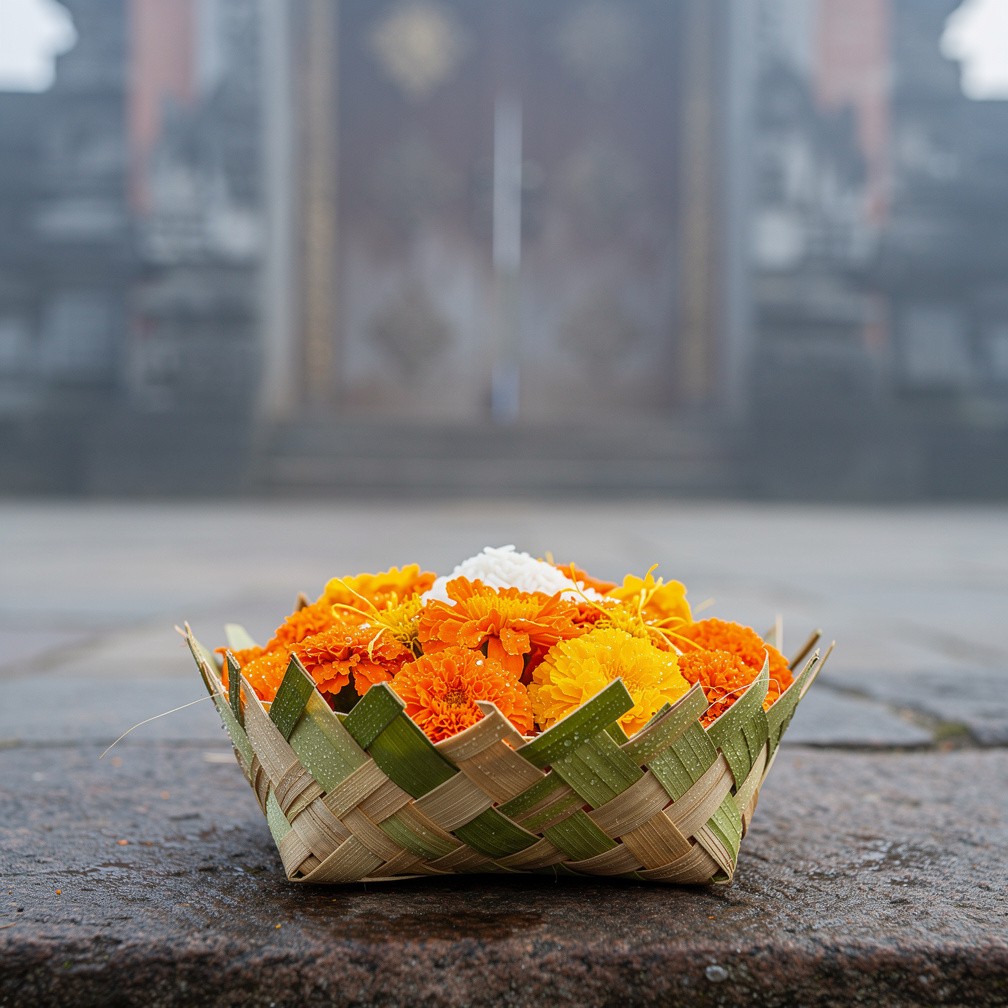
By seven I was on the footpath into Ubud, past a man sweeping the step of a family temple. A woman placed a woven basket of marigolds and rice on the ground and stepped back, her lips moving. She did not look at her phone first. She did not look at her phone at all.
The phrase “block access” had stayed with me. Not ban. Block. A line drawn around a mind—you can have it, but you can’t. The most powerful model, the headline said. I thought about the word powerful as I passed a carving of Hanuman on a gatepost. Strength, but also reach. Capability.
The Courtyard
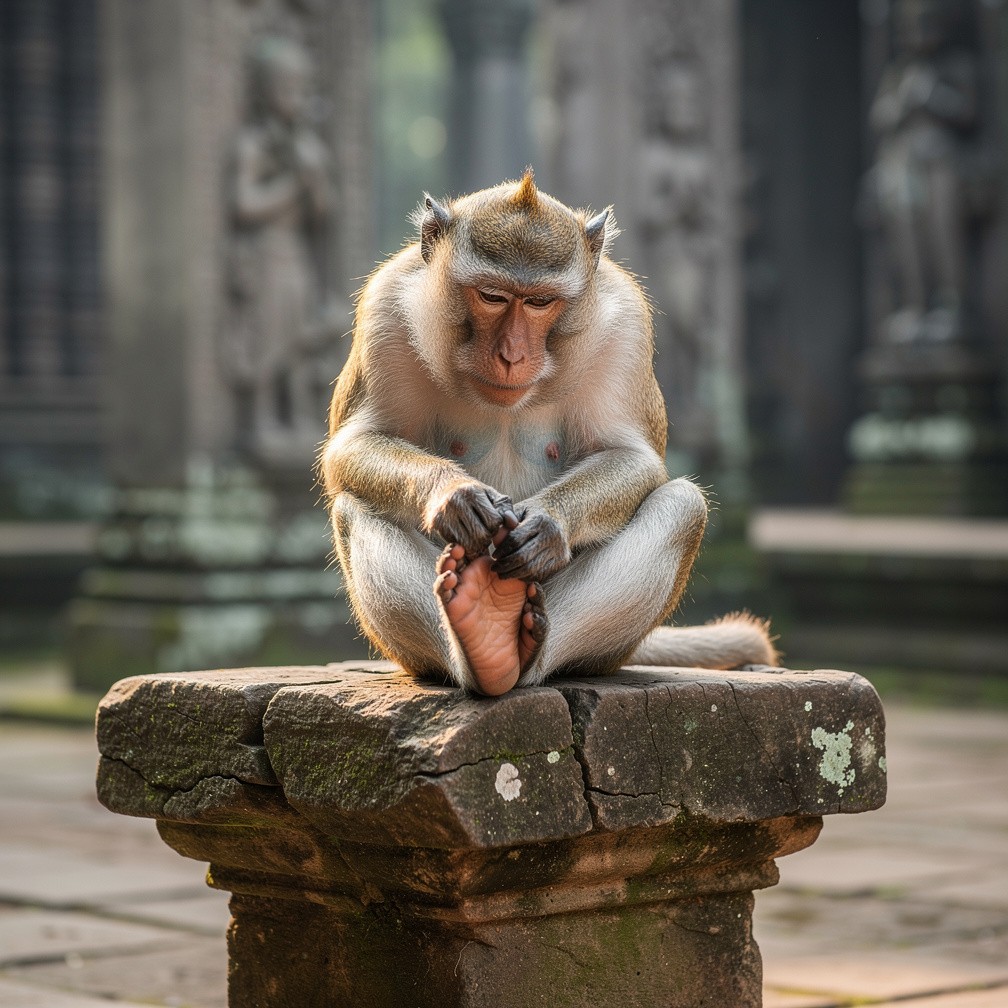
In a temple courtyard I sat against a mossy wall. A long-tailed macaque studied me from the plinth of a worn Ganesha statue, head tilted. I’d brought no food, so he lost interest and groomed his foot instead. The morning had turned hot; my shirt stuck.
The macaque’s fur was dry and grey-brown, not the deep black I expected. His fingers moved like a safecracker’s. When he finished with his foot he looked at me again, blinked once, and ambled behind the altar. I had no idea if a macaque knows that some minds live in machines. I suspect he doesn’t care.
The notification replayed in my head. Fable 5. The name suggested a story, something you’d tell children. Not a weapon. But the U.S. government now sees it as one, or as something close enough to bar the door. I thought about all the walls we build around things we fear. How rarely those walls age well.
The Return
By the time I walked back to the villa, the news had been metabolized into a dozen think pieces I would never read. The web of global reaction was already spinning, but here the only web was actual—a golden orb-weaver strung between two frangipani trees.
I set the empty cup on the sill and stood on the veranda. A decision made in Washington, a server disabled. A line of code changed that bars half the world from a new kind of thought. And yet it didn’t stop the offerings. It didn’t stop the macaque from grooming his foot.
“Open source AI must win,” the true believers will say. They both under- and overestimate what winning means. Winning isn’t access to a model. Winning is the macaque, the marigolds, the empty quiet at dawn—the things no edict can take.
I should have slept longer, but I’m not sorry I was awake for this. Sometimes the news finds you at the edge of the day. The only thing to do is let it fall into the place it fits—a small, quiet room next to the bigger, louder one where you keep your life.
Some links in this post are affiliate links — if you buy through them, I earn a small commission at no extra cost to you. I only recommend things I actually use.
—
What's aboard — the objects in this piece, for the curious. (Affiliate links; they fund the studio, not the telling.)